Hey everyone, it’s Sam from the power protection team – lately I’ve been fielding so many questions about RoHS compliance for feeder protection relays, I figured it’s time to cut through the noise and give you the real, no-fluff answers you actually need. If you’re working with electrical distribution gear, whether you’re a maintenance tech, project engineer, or just someone shopping around for reliable relays, you’ve probably seen that RoHS sticker on stuff before… and wondered what it actually means for the relays you’re putting into your system. Let’s break this down, no jargon overload, promise. Feeder Protection Relays
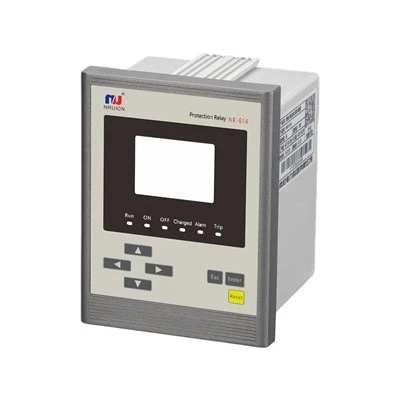
First, let’s get one thing straight: RoHS isn’t some random corporate buzzword. It stands for Restriction of Hazardous Substances, and it’s an EU regulation (though tons of other countries are adopting it too, right now we see it in the US, China, India, and even parts of Southeast Asia) that bans or limits specific toxic materials in electronics. The original RoHS (RoHS 1) kicked back in 2006, but they updated it to RoHS 2 in 2011 – that’s the one that’s way more relevant for most gear now. The restricted substances are lead, mercury, cadmium, hexavalent chromium, PBBs, and PBDEs, plus a few newer ones they added later, like phthalates. Feeder protection relays are the little workhorses that protect your power distribution feeders from overloads, short circuits, and other faults – so you wouldn’t think they’d have a bunch of sketchy materials, but every component counts: the circuit boards, the casings, the wiring, even the tiny resistors and capacitors on the PCB.
Now, the big question: do our feeder protection relays check all the RoHS boxes? The short answer is, yes – all the relays we manufacture and supply are fully RoHS 2 compliant, but let’s get into why that matters, and what actually goes into making a relay compliant, because it’s not just slapping a sticker on the box.
When we source parts for our relays, we don’t just grab the cheapest component on Alibaba anymore. Every single supplier for our resistors, capacitors, PCB laminates, plastic casings, and even the solder we use has to sign a RoHS compliance declaration. We do random third-party testing too – not just once a year, but every production batch, because components can shift. A few years back, we had a batch of PCB connectors from a new supplier that accidentally had trace cadmium in the plating, and we caught it in our in-house screening before it even hit assembly. That’s the kind of stuff that makes compliance real, not just paperwork.
Wait, but I know what some of you are thinking: “What about lead? I thought solder still uses lead sometimes.” Yeah, for non-RoHS gear, solder is usually 60/40 tin-lead, right? But for RoHS, we use lead-free solder – mostly tin-silver-copper (SAC alloy). It took us a minute to work out the kinks with lead-free solder, because it melts at a higher temperature, so we had to upgrade our assembly ovens and train our techs to adjust soldering times to avoid damaging the sensitive components on the relay’s board. It cost us more upfront, but not having to deal with non-compliant gear coming back from customers? Total game-changer. And the other restricted stuff? We swapped mercury-based switches for solid-state ones, we use cadmium-free plating on all our metal parts, and our casings are made from a RoHS-approved polycarbonate that doesn’t have any of those nasty phthalates.
But here’s the thing – RoHS compliance isn’t a one-and-done deal. It updates. Last year, they added four more phthalates to the restricted list, and we had to go back to every single one of our material suppliers to get updated test data to make sure we were still in line. A lot of smaller relay suppliers just ignore that, but if you’re putting gear into a facility that requires RoHS compliance (think hospitals, data centers, government projects), cutting corners here is a non-starter. We’ve had customers come to us after getting burned by another vendor’s relays that looked RoHS compliant but actually failed an audit – the other guys were using outdated test reports. That’s why we make all our test documentation available on request, no hoops to jump through.
Let’s talk about why this actually matters for you, the customer, not just us checking boxes. If you’re working on a project that needs to meet EU standards (say, a plant in Germany or France) or even a domestic project in the US where state laws are adopting RoHS-like rules, non-compliant relays will get your whole shipment held at customs, or get you rejected during site audits. I’ve seen a project manager lose a $500k contract because their feeder relays weren’t RoHS compliant – they thought it was just a EU thing, but their customer required all electrical gear for the site to meet the regulation. That’s avoidable, right? Our relays don’t just check the RoHS boxes – we also provide all the necessary documentation so you don’t have to scramble when a client asks for it.
Wait, but I should be honest here: are all feeder protection relays RoHS compliant? No, definitely not. A lot of cheap, no-name relays out there cut corners with untested components, or source parts from factories that don’t care about RoHS. For example, some cheap relays from overseas still use lead-based solder because it’s cheaper, or their plastic casings have brominated flame retardants that are restricted under RoHS. If you’re buying on price alone, you might end up with a relay that looks identical to a compliant one, but fails a test. That’s why we always tell customers: don’t just ask if a relay is RoHS compliant – ask for the test reports, ask about their supply chain, ask if they do batch testing. We’re happy to provide all that, no exceptions.
Another thing: there are exceptions to RoHS, right? Some medical devices, or equipment for certain industrial uses, can get exemptions for restricted substances if they can’t find a compliant alternative. But for feeder protection relays, which are used in general power distribution, there are no common exemptions. We don’t have to use lead in our solder, we don’t have to use mercury switches, so we don’t apply for any exemptions – that keeps things simple and keeps our gear compliant. We recently had a customer who asked about a custom relay for a mining site, and they thought they needed an exemption, but we just swapped out a couple of components and kept it fully RoHS, no extra hassle for them.
Let’s also touch on the environmental side, because that’s a big part of what RoHS is about. Those restricted substances aren’t good for the planet – lead can leach into soil and water when electronics are disposed of, mercury is super toxic to wildlife, cadmium is a known carcinogen. So when you buy a RoHS-compliant feeder relay, you’re not just avoiding regulatory fines, you’re making a better choice for the environment. A lot of our customers are industrial facilities that have sustainability goals, and RoHS compliance is a big part of that. We’ve had several customers switch to our relays specifically because they wanted to meet their net-zero targets, and RoHS is a key part of that.
Now, let’s get real about common myths. Myth #1: “RoHS relays are more expensive.” Yeah, they might be a few dollars more upfront, but when you factor in not having to deal with failed audits, returned shipments, or damage to your brand from using non-compliant gear, it’s worth it. We’ve had customers tell us that the extra $10 per relay saved them thousands in penalties and rework on a big project. Myth #2: “All electronic gear labeled RoHS is actually compliant.” No – some vendors just put the label on without any testing, or use outdated test data. Always verify. We’ve had a customer send us relays from another supplier that had a RoHS label, but their internal testing found lead levels over the limit. That’s why we encourage customers to check, and we offer free testing of any relays if they want to confirm.
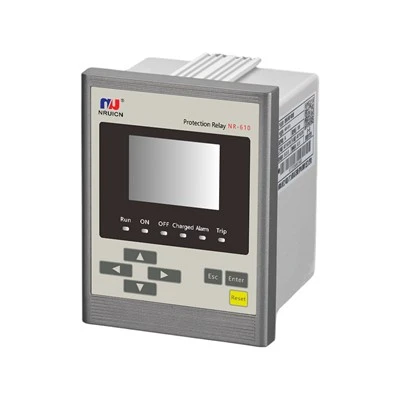
So, wrapping this up – if you’re looking for feeder protection relays that are fully RoHS 2 compliant, with full documentation, batch testing, and a supply chain you can trust, we’re your guys. We don’t cut corners, we don’t sell fake compliant gear, and we’ll answer every question you have about our materials and testing. If you’re working on a project, or just need to source relays for your facility, hit us up to chat through your needs. We can talk about specific models, customization, documentation, whatever you need. Don’t risk getting stuck with non-compliant relays that will cause you headaches down the line – reach out and let’s make sure you get the right gear the first time.
Capacitor Protection Relays References
- European Commission. (2011). Directive 2011/65/EU on the restriction of the use of certain hazardous substances in electrical and electronic equipment (RoHS 2).
- International Electrotechnical Commission. (2020). IEC 62321: Determination of certain substances in electrotechnical products.
- National Electrical Manufacturers Association. (2022). RoHS Compliance for Industrial Electrical Components.
- US Environmental Protection Agency. (2021). Restriction of Hazardous Substances (RoHS) Regulations and Impacts on Electrical Equipment.
NAHO Electric Power Technology Co., Ltd.
NAHO Electric Power Technology Co., Ltd. is one of the most experienced feeder protection relays manufacturers and suppliers in China, also supports customized service and OEM&ODM service. Welcome to wholesale CE approved feeder protection relays in stock here and get quotation from our factory. Quality products and reasonable price are available.
Address: No.15 Zhengtai Road, Xinguang Industrial Zone, Liushi Town, Yueqing City, Zhejiang Province, P.R.China
E-mail: Dr502963156@gmail.com
WebSite: https://www.nahopower.com/
