As a supplier of display frameless glass doors, I get this question all the time from retail owners, showroom managers, and even homeowners who want to elevate their display spaces. When someone first reaches out asking, “Are there any color options for a display frameless glass door?” I can tell they’re not just looking for a basic clear panel to show off products—they’re thinking about how the door fits into their existing space, brand identity, and what makes their display stand out. A lot of people assume frameless glass means only clear, but over the years, I’ve helped hundreds of customers pick options that balance functionality, aesthetics, and their specific needs. Let’s break this down. Display Framelessd Glass Door
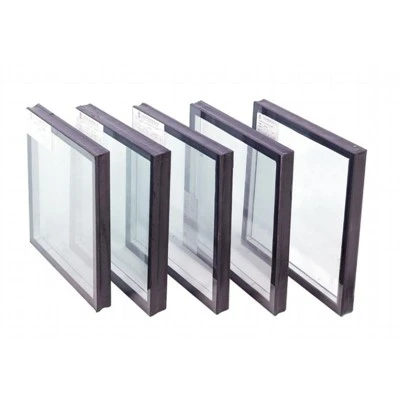
First, it’s important to understand that frameless display glass doors are different from regular interior or exterior glass doors. They’re designed to prioritize visibility—so you want to see the products inside or through the door, but that doesn’t mean you can’t add subtle color that enhances rather than blocks. The color options fall into a few categories, each with their own use cases, and I’ve seen each one work really well for different types of businesses.
The most common color option we offer is tinted glass, and it’s the one people go to when they want a soft, non-clear look without sacrificing too much visibility. Tinted glass comes in shades like grey, bronze, and even light blue, but for display doors, grey and bronze are the top picks. Why? Grey tint is neutral—it doesn’t skew warm or cool, so it works with almost any store decor. A boutique clothing store with neutral walls or a tech showroom with sleek black fixtures both love grey tint because it cuts down on glare from overhead lights, which means the products inside don’t look washed out. Bronze tint, on the other hand, adds a warm, rich tone that’s perfect for spaces with wooden accents, like a high-end furniture showroom or a gourmet food store that displays coffee or baked goods. I remember a customer who owned a small art gallery in downtown Brooklyn; they switched from clear to bronze tint on their display doors, and they told me their oil paintings looked more vibrant, not dulled, because the tint softens harsh sunlight coming through the storefront. The key with tinted glass is that it’s not opaque—you can still see clearly into the space, but the color gives it a polished, intentional feel instead of a basic warehouse look.
Next, there’s frosted or acid-etched glass, which is a great option when a customer wants a bit of privacy but still wants the door to look sleek, not frosted in a way that’s dusty or outdated. Wait, frosted glass has different finishes—some people think it’s just white, but we offer frosted options that are more of a subtle, milky white that diffuses light evenly. For display doors, this is ideal for spaces where you don’t want passersby to see every little detail inside, but you still want the door to look clean. I worked with a jewelry boutique a few years ago; they had high-value pieces, so they wanted to prevent people from staring too closely from the street, but they also didn’t want to lose the openness of a frameless door. We went with a light frosted finish that covered the outer third of the door, and the rest remained clear. That way, you can see the general layout of the storefront, but not the individual diamond settings or price tags. It’s a middle ground that a lot of people don’t think about until they see it in action. Acid-etched glass is a step further—it’s when we etch patterns or designs into the frosted surface, so you can have subtle branding elements, like a store logo etched lightly into the corner, without it looking loud. A few café owners have used this to add their coffee shop’s logo to the top of their display doors, and it’s a small touch that makes the space feel custom without being over-the-top.
Then there are the more bold color options, like enamel-coated glass. This is for customers who really want to make a statement. Enamel is a powder that’s fused to the glass surface at high temperatures, so the color is durable—it won’t chip, fade, or peel, even with frequent use. We offer a range of enamel colors, from soft pastels to deep, saturated hues like navy or forest green. This is perfect for branding. For example, a clothing brand with a signature color can have their display doors coated in that color, so when people walk down the street, they see the brand’s color right away, and the clear center still shows off the clothes inside. I had a customer who ran a kids’ toy store; they picked a bright, playful yellow for their display doors, and it made their store stand out from the surrounding retail shops which were mostly neutral. The best part about enamel-coated glass is that you can choose how much clear space you want—if someone wants a door that’s mostly color with a small clear window, that works too, or vice versa. It’s a versatile option for when you want the door to be a design feature, not just a functional part of the display.
Wait, I should also mention that we offer custom color matching for enamel glass. If a customer has a specific Pantone color code from their brand guidelines, we can mix the enamel powder to match exactly. That’s a big plus for larger retail chains that want all their display doors across different locations to have the same color. I worked with a national home goods chain last year, and they needed 20 display doors in a specific sage green that matched their new store design. We were able to match the Pantone code perfectly, and the doors installed without any color variation from one location to the next. That level of customization is something a lot of smaller suppliers don’t offer, but we’ve found it’s what makes the difference for customers who are serious about their brand image.
I also get asked a lot about if color affects the performance of the glass, especially for display doors that are often in storefronts with lots of sunlight. The short answer is no, not in a bad way. Tinted and enamel glass actually can help with energy efficiency, because they block more UV rays than clear glass, which means the products inside (like fabrics, artwork, or food) won’t fade as quickly. For example, a textile store that displays fabric bolts near the front window will notice less fading over time with tinted glass, compared to clear glass. Frosted glass also helps with glare, so customers inside the store don’t have to deal with bright sunlight making it hard to see the products. I’ve had customers tell us that after switching to colored glass display doors, their employees report less eye strain, and their products stay looking new longer. That’s a practical benefit that goes beyond just aesthetics.
Of course, there are a few things to consider when choosing a color for your display frameless glass door. First, think about the purpose of the door. If it’s a storefront display door, you want the color to be eye-catching but not distracting—you still need people to see the products inside. If it’s a display door for a back-of-house showroom area where customers don’t walk past as much, you can be a bit more bold. Second, consider the space’s lighting. A color that looks great in a dim gallery might look too dark in a bright, busy retail space. We always recommend bringing a sample color to your space to test it under your specific lighting, because natural and artificial light can change how a glass color looks. For example, bronze tint might look warm in indoor light, but in direct sunlight, it can deepen a bit, so it’s good to see that in person before committing.
Another point: frameless glass doors are known for their clean, minimalist look, so the color you choose should complement that, not overwhelm it. That’s why neutral tints and frosted finishes are still our bestsellers, because they enhance the frameless design instead of competing with it. Enamel colors are great for branding, but we always suggest keeping the design simple—too many patterns or bright colors can make the door look clunky, which defeats the purpose of frameless glass. I once had a customer who wanted a display door with multiple etched patterns and a bright red enamel; when we installed it, it looked too busy, so we adjusted it to a single etched logo and a soft red enamel, and it looked much better. That’s part of the service we offer—helping customers pick a color that fits their space, not just what’s trendy at the moment.
I’ve also seen some myths about color options for frameless glass doors. Some people think that colored glass is more expensive than clear, and while it can be a bit more, the difference isn’t as big as you might think, especially compared to the benefits it brings. Another myth is that colored glass is less durable, but as I mentioned earlier, enamel and tinted glass are just as strong as clear glass—they’re made from the same tempered glass, which is required for frameless display doors to meet safety standards. We only use tempered glass for all our display doors, regardless of color, so you don’t have to worry about the color affecting safety.
So, to circle back to the original question: yes, there are plenty of color options for display frameless glass doors, and the right one for you depends on your space, brand, and what you want to display. Whether you want a subtle tint to reduce glare, a frosted finish for privacy, a bold enamel color to match your brand, or a custom color to fit your exact needs, we can work with you to find the perfect match.
If you’re thinking about upgrading your display doors and want to explore color options, or if you have questions about how a specific color would work for your space, I encourage you to reach out to our team. We’ve worked with everything from small local shops to large retail chains, and we can walk you through samples, cost, and the best options for your display needs. Don’t just settle for a basic clear door—your display space deserves to look polished, and the right color can make all the difference.
Outside Mount Glass Door References:
- Glass Tinting Association. (2022). "Benefits of Tinted Glass for Commercial Storefronts." Industry Journal of Commercial Glazing, 18(3), 45-52.
- National Glass Association. (2021). "Tempered Glass Standards for Frameless Door Applications." Technical Bulletin 109, 1-12.
- Interior Design Magazine. (2023). "Custom Glass Finishes Elevating Retail Brand Spaces." Special Feature on Commercial Design, 67(4), 112-118.
Coste Glass Door Co., Ltd.
As one of the most professional display framelessd glass door manufacturers and suppliers in China, we’re featured by quality products and good price. Please feel free to wholesale bulk display framelessd glass door in stock here and get quotation from our factory. Customized orders are welcome.
Address: 41/47, VILLAGE NO.5 KHOK KRABUE SUBDISTRICT MUEANG SAMUT SAKHON DISTRICT ,SAMUT SAKHON PROVINCE 74000 ,Thailand
E-mail: Alicezhou@shhag.com
WebSite: https://www.costeglassdoor.com/
