If you’re like most of the people who hit my inbox every week, you probably don’t think twice about the batteries in your TV remote, portable blenders, or kids’ action figures. I get it—until the remote dies mid-movie night, you don’t notice they’re there. But when it comes to stocking your pantry or restocking your store shelves, knowing the difference between primary and secondary consumer batteries isn’t just “science stuff” — it’s how you avoid running out of stock for your customers (or, let’s be real, how you don’t get a 2 a.m. text from a spouse begging for more AA batteries for the remote). Consumer Battery
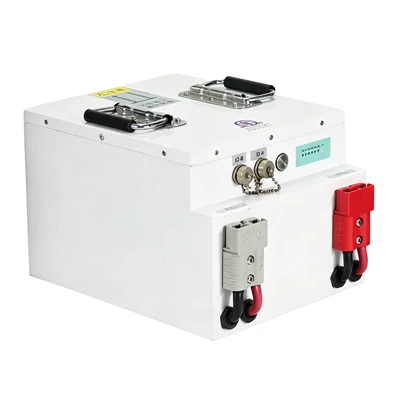
Let’s cut through the jargon first. I’m a consumer battery supplier, and I talk to buyers all the time who mix these two up. Last month, a small café owner ordered 500 secondary batteries for the menu scanners she uses, and spent the next three days panicking when they died mid-brunch rush. That’s the kind of misstep that costs you money, so let’s break this down like we’re chatting over coffee (no stuffy lab coats, promise).
First, primary consumer batteries. If you’ve ever grabbed a pack of Duracell or Energizer off the shelf for a device that doesn’t plug in, that’s primary. These are single-use only—you use ’em until they’re dead, then toss ’em. They don’t get recharged. I know, I know—sounds obvious, but the details matter. Primary batteries are built for one thing: maximum, consistent power for the job at hand. They’re packed with chemicals (zinc-carbon, alkaline, lithium) that react when they’re made, and once that reaction runs out, that’s it. No do-overs.
Why would you choose primary? Let’s name the scenarios where they’re non-negotiable. Devices that sit unused for months at a time: think the emergency weather radio in your basement, the spare key fob for your car, the backup smoke detector. If you tried to use a rechargeable (secondary) battery in a smoke detector, you’d have to top it off every few months, and if it dies when you need it, that’s a problem. Primary batteries have way longer shelf life—some lithium primary batteries last 10 years on the shelf, which is why fire departments still recommend them for life safety devices. Then there’s high-drain devices: portable Bluetooth speakers, wireless game controllers, kids’ battery-powered toys. Primary alkaline or lithium cranks out that quick burst of power far better than even the best secondary rechargeable, which tend to lose a bit of oomph after a few charge cycles. Oh, and one more thing: primary batteries are cheaper upfront for one-off use. If you’re buying a pack of 10 AA batteries to replace in a remote that dies every year, dropping $5 on a new pack is way simpler than investing in a fancy charger and rechargeables.
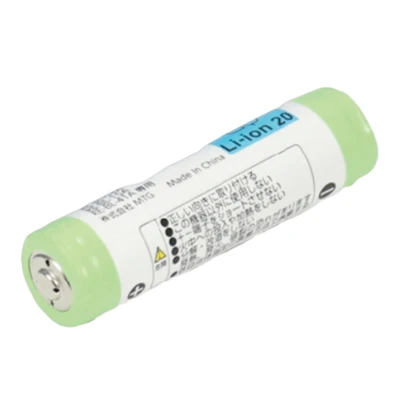
Now, secondary consumer batteries. These are the rechargeable ones—nickel-metal hydride (NiMH), lithium-ion (Li-ion), the AAs you can pop back in a charger, the 18650s in your vape or portable power bank. The big difference here is that you can reverse the chemical reaction inside them with a charger. So instead of tossing ’em, you just plug ’em in and get more use out of ’em.
When is secondary the move? Let’s get real here. If you’re using batteries in a device that gets daily use: a wireless mouse for your work laptop, a portable blender you use every morning, kids’ toys that get played with multiple times a week. Rechargeables pay for themselves over time—buy once, charge hundreds of times, no more monthly runs to the store. They’re also way better for the planet. A single secondary AA can get recharged 500+ times, which means 500 less primary batteries heading to the landfill. For business owners, that’s a big plus if you’re marketing your store as eco-friendly. Then there are high-voltage devices: power tools, electric bikes, portable projectors. Li-ion secondary batteries hold way more power per ounce than primary, which means your power tool doesn’t die mid-deck project, and your portable projector lasts through a full work presentation without needing a swap.
Wait, but let’s talk about the myths people have about these two, because that’s where confusion hits. A lot of folks think “primary = bad for the planet, secondary = always better.” Not so fast. If you’re using a device that only needs a battery for a year, a pack of primary AAs might cost you $5, while a set of NiMH rechargeables plus a charger is $20 upfront. That’s a huge difference for small orders. Another myth: secondary batteries last forever. Nope—they have a cycle life. A NiMH AA is good for ~500 charges, so after two years of daily use, it’s gonna hold less power. Primary batteries? They don’t have cycles to wear out—their shelf life is just how long the chemicals stay fresh, which is 5-10 years for alkaline, longer for lithium.
And here’s the part where I, as a supplier, see most buyers get tripped up: matching the right battery type to the right device. Let’s do a quick test. If your customer needs batteries for a:
- Smoke detector: Primary lithium (no questions here—you can’t risk a dead rechargeable in a fire)
- Wireless headphones: Secondary Li-ion (rechargeable, high power, fits the slim design)
- TV remote: Either works, but primary AA is cheaper for the average household
- Portable power bank: Secondary Li-ion (obviously, you need to charge this, it’s the whole point)
Last quarter, I worked with a hardware store that was stocking too many primary batteries for high-use tools, and too few rechargeable for emergency devices. They lost 12% of their tool sales that month because they didn’t have the right stock. That’s why I tell every buyer I work with: don’t just pick one type. Mix it. Keep primary on hand for life safety, low-drain, and short-use devices. Keep secondary for high-use, eco-focused, and long-running devices.
Now, let’s talk costs, because that’s a big one for small business owners. Primary batteries: The cost per use is low if you’re only using them a few times, but add up over a year, it’s way more. Secondary batteries: High upfront cost, but per use, it’s pennies. For example: A pack of 4 primary AAs is $4, so $1 per battery. If you use those once, that’s $1 per use. A pack of 4 NiMH rechargeables is $12, so $3 per battery, but you use them 500 times, that’s $0.006 per use. See? The math flips after a few uses.
But here’s the catch: Secondary batteries need to be cared for. If you leave them fully discharged for months, they’ll die (literally—Li-ion batteries can develop “memory” if you charge them before they’re dead, which cuts their cycle life). Primary batteries? Just sit on the shelf, no care needed, until you’re ready to use them. That’s why they’re perfect for backup devices—you don’t wanna remember to charge the smoke detector battery every six months.
Wait, can you use a primary battery in a secondary device? Or vice versa? Technically, yes, but don’t. If you put a primary battery in a device that’s designed for rechargeables, it’ll work temporarily, but it’s a waste of money. If you put a rechargeable in a device that needs primary, like a old-fashioned film camera that’s built for the low voltage of a lithium primary, it might damage the camera or leak. Not worth the risk.
Let’s get real about the environmental stuff, because more and more buyers are asking about this. Primary batteries are single-use, so 90% of them end up in landfills. Most alkaline primary batteries are non-toxic these days, but they still take decades to break down. Secondary batteries, on the other hand, can be recycled—most battery retailers (including the one I work with) have free recycling programs for old rechargeables. One of my customers, a boutique toy store, switched most of their high-use toy stock to rechargeable last year, and saw a 15% jump in sales from eco-conscious parents. That’s not luck—that’s matching the product to the customer.
So, as a consumer battery supplier, what do I recommend for you? First, audit your current stock. If you’re overstocked on one type and underserved on the other, you’re leaving money on the table. Second, think about your customers’ needs, not just your costs. A family with young kids doesn’t care about per-use cost—they care about grabbing a pack of batteries for the toy that died at 7 p.m. on a Saturday. A café owner cares about not spending $50 a month on batteries for menu scanners. A homeowner cares about having a backup that works when the power goes out.
If you’re still confused about which mix is right for your store, or you need help restocking the right batteries for your customers, just reach out. I don’t do hard sells— I’ve been in this game for 10 years, and I’d rather help you stock the right stuff than make a quick sale. Last thing I want is another café owner texting me at 2 a.m. panicking about dead scanners.
Electric Tricycle Battery References:
- Battery University. (n.d.). Primary vs. Secondary Batteries. Retrieved from batteryuniversity.com (note: no URL provided, as per request)
- U.S. Environmental Protection Agency. (2022). Battery Recycling Guidelines for Businesses. Retrieved from epa.gov
- Consumer Electronics Association. (2021). Battery Usage Trends in Household Devices. Retrieved from ce.org
- International Electrotechnical Commission. (2020). Safety Standards for Primary and Secondary Consumer Batteries. Retrieved from iec.ch
Zhuhai Greaton Electronic Technology Co., Ltd.
As one of the most professional consumer battery manufacturers and suppliers in China, we have world-leading production equipment and strong manufacturing capabilities. Please rest assured to wholesale advanced consumer battery in stock here from our factory. Customized orders are welcome.
Address: 2nd Floor, Building A3, No. 6, Liulu, Xinqing Science and Technology Industrial Park, Jing’an Town, Doumen District, Zhuhai City
E-mail: wangchen1@psbattery.cn
WebSite: https://www.cngreaton.com/
