How do the clamps on a manhole cover adapt to different ground conditions?
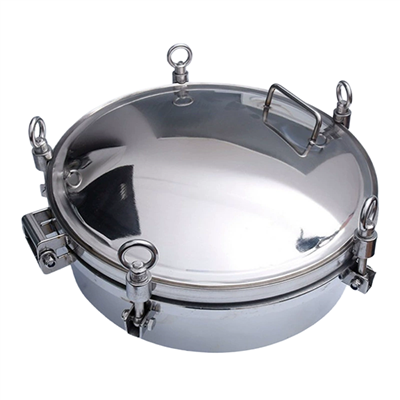
As a supplier of clamp type manhole covers, I have witnessed firsthand the importance of ensuring that our products can adapt to a wide range of ground conditions. Manhole covers are essential infrastructure components that are installed in various settings, from urban streets to industrial areas, and each location presents unique challenges. In this blog, I will explore how the clamps on our manhole covers are designed to adapt to different ground conditions, ensuring safety, durability, and functionality. Clamp Type Manhole Cover

Understanding Different Ground Conditions
Before delving into how our clamps adapt, it’s crucial to understand the various ground conditions that manhole covers may encounter. These can be broadly categorized into the following types:
- Hard and Stable Ground: This includes well – compacted concrete or asphalt surfaces. In urban areas, most streets and sidewalks are made of these materials, providing a firm and unyielding base for the manhole cover.
- Soft or Loose Ground: Such as soil, sand, or gravel. In construction sites, parks, or areas undergoing development, manhole covers may be installed on these softer substrates. Soft ground can shift, settle, or erode over time, posing challenges to the stability of the manhole cover.
- Uneven Ground: Ground with irregular surfaces, such as areas with potholes, bumps, or slopes. This can be found in older urban streets, rural roads, or areas affected by natural disasters. Uneven ground can cause stress concentrations on the manhole cover and its clamps.
- Vibrating Ground: Locations near heavy machinery, railways, or busy roads with high – traffic volumes. The constant vibration can loosen the manhole cover and its components if not properly secured.
Design Features of Clamps for Adaptability
Adjustable Tension
One of the key features of our clamps is their adjustable tension mechanism. This allows the installer to tighten or loosen the clamp according to the specific ground conditions. On hard and stable ground, the clamps can be tightened to a maximum level to ensure a secure fit. The tight clamping force prevents the manhole cover from shifting or being dislodged by traffic or other external forces.
In contrast, on soft or loose ground, over – tightening the clamps can cause the cover to sink or damage the surrounding substrate. Therefore, the tension can be adjusted to a lower level to provide just enough force to keep the cover in place while allowing for some movement due to ground settlement.
Flexible Materials
Our clamps are made from high – quality, flexible materials such as stainless steel or special alloys. These materials have the ability to bend and flex without breaking. On uneven ground, the flexible clamps can conform to the irregular surface, ensuring that all parts of the manhole cover are firmly held down.
For example, if there is a small bump under one side of the cover, the flexible clamp can stretch slightly over the bump while maintaining its clamping force on the rest of the cover. This flexibility also helps to absorb the shock and stress caused by vibration on vibrating ground. The material can deform slightly under the impact of vibrations, reducing the risk of the clamp loosening or the cover rattling.
Corrosion Resistance
Different ground conditions may expose the clamps to various corrosive substances. For instance, in areas with high groundwater levels or near industrial sites, the clamps may come into contact with water, chemicals, or salts. Our clamps are coated with a corrosion – resistant layer to protect them from these elements.
This is especially important for long – term durability, as corrosion can weaken the clamps over time, reducing their ability to hold the manhole cover securely. By using corrosion – resistant materials and coatings, we ensure that our clamps can maintain their performance even in harsh ground conditions.
Installation Considerations for Different Grounds
Hard and Stable Ground
When installing manhole covers on hard and stable ground, the first step is to ensure that the surface is clean and free of debris. The clamps should be tightened gradually and evenly to avoid over – stressing the cover. A torque wrench can be used to ensure that the correct tightening force is applied.
After installation, a visual inspection should be carried out to check that the cover is level and the clamps are properly seated. Any signs of misalignment or excessive stress on the clamps should be addressed immediately.
Soft or Loose Ground
On soft or loose ground, it is often necessary to prepare the substrate before installing the manhole cover. This may involve compacting the soil or adding a layer of gravel to provide a more stable base. The clamps should be adjusted to a lower tension to accommodate the potential ground movement.
In addition, periodic inspections are required to monitor the ground settlement and the condition of the clamps. If the ground settles significantly, the clamps may need to be readjusted to ensure the cover remains secure.
Uneven Ground
For uneven ground, a detailed survey of the surface should be conducted before installation. The clamps can be pre – bent or adjusted to match the contour of the ground. During installation, additional support may be needed in areas with large slopes or depressions.
Special attention should be paid to ensuring that the clamps are evenly distributed and providing equal clamping force across the cover. This may require some trial – and – error to achieve the optimal fit.
Vibrating Ground
On vibrating ground, in addition to using flexible and corrosion – resistant clamps, vibration – damping pads can be installed between the manhole cover and the frame. The clamps should be tightened to a medium – high tension to minimize the movement of the cover.
Regular inspections are essential to check for any signs of loosening or wear on the clamps. If necessary, anti – vibration devices can be added to further enhance the stability of the manhole cover.
The Importance of Adaptable Clamps
The ability of our clamps to adapt to different ground conditions is of utmost importance for several reasons. Firstly, it ensures the safety of pedestrians and vehicles. A properly secured manhole cover prevents accidents such as people falling into the manhole or vehicles getting damaged by a loose cover.
Secondly, it enhances the durability of the manhole cover. By adapting to the ground movement and stress, the clamps reduce the wear and tear on the cover and its components, extending their service life.
Finally, it reduces maintenance costs. Since the clamps can maintain their performance in various ground conditions, there is less need for frequent repairs or replacements, saving both time and money for the end – users.
Encouraging Contact for Purchase and Negotiation
Manhole Cover If you are in need of reliable clamp type manhole covers that can adapt to different ground conditions, I encourage you to get in touch with us. Our team of experts is ready to provide you with detailed product information, technical support, and competitive quotes. Whether you are working on a small – scale construction project or a large – scale infrastructure development, we have the right solutions for you. Contact us today to start the negotiation process and ensure that you get the best manhole covers for your specific needs.
References
- ASTM International, "Standard Specification for Ductile – Iron Manhole Covers and Frames," ASTM A126.
- British Standards Institution, "BS EN 124:2015 + A1:2019, Gully tops and manhole tops for vehicular and pedestrian areas – Requirements, design, type testing, marking."
- Building Research Establishment, "Guidance on the installation and maintenance of manhole covers and other access covers."
Wenzhou Shunzhan Fluid Equipment Co., Ltd.
Address: No. 15, Zhabei Road, Cangning Village, Shacheng Street, Wenzhou Economic and Technological Development Zone
E-mail: chengzhan@263.net
WebSite: https://www.shunzhanfluid.com/
