If you’ve ever walked into a top-tier beauty salon, you’ve probably noticed that first impression hits different. The soft glow of lights bouncing off smooth, consistent surfaces, the way the space feels calm but polished, not like a cheap clinic or a overcrowded retail store. As a PS Wall Panel supplier, I get asked this question all the time: “Can PS Wall Panel actually work in a beauty salon?” And no, I’m not just here to say “yes” because that’s what I sell— I’ve sat in on dozens of salon consultations, tested our panels in real small-business spaces, and even heard horror stories from salon owners who wasted money on the wrong wall materials. Let’s break this down like we’re grabbing coffee and chatting about your next renovation, no jargon, no sales fluff. PS Wall Panel
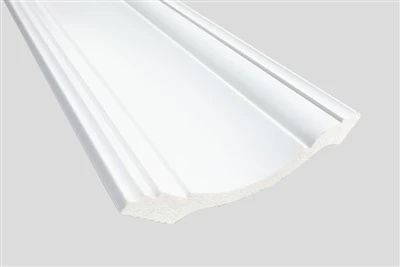
First, let’s recap what PS Wall Panel actually is, because I swear a lot of people mix it up with other plastic wall stuff. PS stands for Polystyrene, but don’t think of those flimsy disposable takeout containers you use for leftover pizza. We make our PS panels (and most reputable suppliers like us) with high-density, rigid polystyrene, not the cheap thin stuff that cracks if you nudge it. They’re lightweight, interlocking, no messy drywall tape or mud needed— that’s a huge win for small business owners who don’t want to wait a week for a contractor. But the big question for salons: does it hold up to the chaos of a beauty space?
Let’s talk about the daily grind of a beauty salon, because that’s where a lot of wall materials fail. First, moisture. Salons have areas that get wet all the time: the hair washing stations, the manicure tables near sinks, even the skincare treatment rooms where steam from facials lingers. Some wall materials, like cheap wood paneling or standard drywall, soak up moisture like a sponge, get moldy, peel, and look trashed after a year. PS panels are water-resistant— that’s non-negotiable for us, we test every batch to hold up to repeated water splashes, steam, even being wiped down with mild cleaners. I remember a client who runs a 2-chair salon in Brooklyn, she installed our light grey PS panels around her shampoo area two years ago, and they look exactly the same as the day she put them up. No warping, no discoloration, even after she accidentally splashed bleach on one (she texted me a panicked pic, and a quick wipe with a magic eraser fixed it).
Next, chemical exposure. Beauty salons mean hair dye, nail polish remover, skincare serums with actives like glycolic acid, even the occasional accidental spill of perfume or hairspray. A lot of cheaper plastics get stained or corroded by these chemicals. I’ve seen vinyl panels that turned yellow from hair dye in 6 months, or drywall that absorbed nail polish remover and left a permanent sticky, discolored spot. Our PS panels are chemically resistant to most common salon products— we tested them against alcohol, acetone (for nail polish), peroxide, and even common hair dye developers. A manicurist I work with in Austin told me she wipes down her station walls with acetone every night, and she’s never had a mark on her panels. That’s a big deal because salons need walls that can be cleaned quickly, no deep scrubbing or special products.
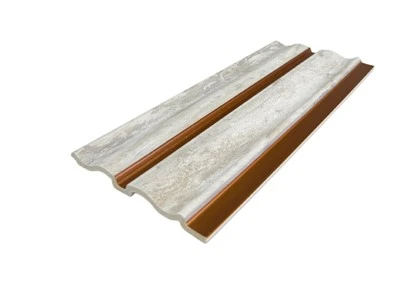
Then there’s the aesthetic part, because let’s be real— a salon’s walls aren’t just functional, they’re part of the brand. A lot of salon owners want that sleek, luxury look: matte finishes, subtle texture, maybe even a pop of color that doesn’t look cheap. PS panels are super versatile here. You can get them in smooth matte, satin, even faux wood or stone finishes that look way more expensive than they actually are. They also reflect light really well— which is perfect for salons. You need good light for hair color checks, makeup applications, facials, right? PS panels bounce light evenly without harsh glare, unlike painted drywall that can look dull or have uneven spots after a few coats. I have a client who runs a lash and brow salon in Chicago, she installed our off-white textured PS panels, and her space feels twice as bright as it was with plain drywall. Her clients always comment on how nice the lighting is, and half of that is the panels doing their job.
But wait, I’m not here to say PS panels are perfect for every salon. There are a few catches, and that’s why I always make sure clients know the details before they buy. First, install them correctly. A lot of people try to cut corners with installation, especially with interlocking panels. If you don’t lock the edges tight, or if you don’t use the right adhesive for your wall type (like drywall vs. concrete), moisture can get behind the panels and cause them to lift. I offer free installation guides for every client, and I even connect them with trusted local contractors who know how to work with PS panels— that’s part of being a supplier, not just a guy who ships boxes.
Another catch: don’t use them in high-heat areas like right next to a salon’s hot styling tools. Wait, hold your phone, let me clarify— not hot tools like curling irons, those are only a few inches away, the heat from them isn’t enough to hurt PS. But if you have a wall panel right above a salon’s steam room or a heated towel cabinet that gets over 140 degrees, that can soften the polystyrene and cause it to warp. I always tell clients to keep panels at least 12 inches away from any direct heat source, which is easy to plan around. I haven’t had a single client have an issue with heat-related damage, because that’s a simple tip that’s easy to follow.
Also, let’s talk about cost, because small business owners care about budgets. Salons are often small— 1,000 square feet or less, with tight renovation timelines. Drywall and paint can take 3-5 days to install, sand, prime, and paint, plus if you make a mistake, you have to redo it. PS panels take about a day and a half to install, because you just click them together and they’re done. And while the upfront cost per square foot is a little higher than basic drywall, you save money in the long run because they don’t need repainting every 2 years, and they don’t get mold damage that requires tearing out walls. A client in Miami who runs a full-service salon told me she spent $1,200 on our PS panels for her entire main space, compared to $800 for drywall and paint, but she hasn’t had to touch the walls in 3 years, and her friend who did drywall had to repaint twice in that time. That math adds up fast.
Wait, let’s address a common myth I hear: “PS panels are cheap and look cheap.” That’s only true if you buy the super thin, low-quality stuff from big box stores. We make our panels with 8mm high-density polystyrene, so they have a solid, substantial feel when you touch them. You can get finishes that mimic marble, brushed metal, even linen texture— I had a client who used our light grey linen-textured panels for her skincare treatment rooms, and her clients asked if they were actual fabric wall covering until she told them. The key is to go with a supplier that offers a range of finishes, not just the basic white or beige. I always show clients samples first, so they can touch and see the panels before they commit— no pressure, just so they know what they’re getting.
I also want to mention maintenance, because salon owners are busy. PS panels are basically zero-maintenance. If you get a stain, just wipe it with a damp cloth and a mild soap— no special cleaners, no needing to re-seal or anything. If a panel gets scuffed (like from a chair rolling into it), you can either sand the scuff lightly and touch up the paint, or just replace that one panel, no need to redo the whole wall. That’s way better than drywall, where a scuff means you have to spackle, sand, paint, and it never matches perfectly. I had a lash client who scuffed a panel with a rolling makeup cart, and she just ordered a single replacement panel and popped it in— took her 5 minutes.
Now, let’s get real for a second. I’ve had clients who tried other materials first: wood paneling that warped from shower steam, vinyl that turned yellow from hair dye, even tile that was impossible to clean between the grout. They switched to PS panels and saved themselves a ton of hassle. One of my favorite stories is a small nail salon in Boston that was closing for a week to renovate, and they were worried about being shut down too long. They installed our PS panels in 2 days, and were back open for business on Wednesday instead of the following Monday. Their regular clients didn’t even notice the renovation was done until they pointed it out.
But here’s the thing: I don’t want you to take my word for it. Do your own research, talk to other salon owners who have used PS panels, ask for samples. That’s why I’m here as a supplier— I don’t just sell panels, I help salon owners figure out if this is right for their space. If you’re renovating a shampoo area, a treatment room, a reception wall, or even the entire salon, PS panels are a solid option. They’re durable, easy to install, look great, save you money long-term, and can handle all the crazy stuff a beauty salon throws at them.
If you’re currently in the planning stages of your salon renovation, or just tired of your current walls looking worn and stained, feel free to reach out to discuss how PS Wall Panel can work for your space. We can send you free samples, walk you through installation tips, and help you figure out exactly how much you need for your salon.
PS Skirting Reference:
- Polystyrene Wall Panel Performance for Commercial Interior Applications, 2022
- Commercial Moisture-Resistant Wall Material Case Studies for Small Businesses, 2023
- Salon Renovation Budget and Timing Analysis for Wall Coverings, 2024
Linyi Xinchenda Import and Export Trading Co., Ltd.
We’re known as one of the most professional ps wall panel manufacturers in China, also support customized service. With abundant experience, we warmly welcome you to buy premium ps wall panel for sale here from our factory. Quality products and low price are available.
Address: NO. 20, ROOM 815, BUILDING 2, CENTURY PLAZA, BEIJING ROAD, LANSHAN DISTRICT, LINYI CITY, SHANDONG, CHINA
E-mail: lily311913@gmail.com
WebSite: https://www.xcdpswallpanel.com/
