Hey everyone, it’s Jake here from the team that brings you fire rated duct wrap – you know, the stuff that keeps HVAC systems from turning into a total disaster when things heat up. I get asked this question ALL the time: can our duct wrap play nice with other fire protection measures, or is it a solo act? Spoiler: it’s 100% a team player, and that’s exactly why it’s one of the most relied-on tools in fire safety for buildings. Let’s break this down like we’re chatting over coffee, no stuffy industry jargon (I’ll save that for the spec sheets). Fire Rated Duct Wrap
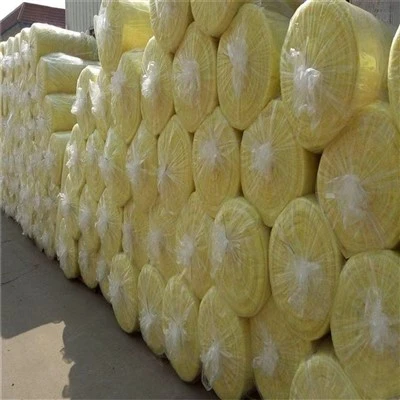
First, let’s get on the same page about what fire rated duct wrap actually does, real quick. It’s that flexible, foil-faced (or sometimes ceramic-fiber) blanket we manufacture specifically for wrapping around heating, ventilation, and air conditioning ducts – think the big metal pipes that run through ceilings, walls, basements of offices, apartments, warehouses. Its whole gig is acting as a thermal barrier: when a fire breaks out, it slows how fast the duct’s metal shell heats up. Because if metal ducts get too hot, they warp, crack, and can let fire and smoke spread from one floor to another or across building zones – that’s how fires jump areas that should be separated, right?
Now, the question is pairing it with other fire protection stuff. Let’s start with the most common combo: duct wrap plus fire dampers. I see this all the time on new construction sites, and it works like peanut butter and jelly (wait, no, better – like a work buddy who’s got your back when one of you slacks off). Fire dampers are those little metal flaps installed inside duct openings where ducts pass through fire-rated walls or floors. Their job is to automatically snap shut when they sense heat, blocking fire and smoke from moving through that duct penetration. But here’s the thing: fire dampers only work if the duct around them stays cool enough, right? If the duct gets too hot, the damper’s mounting hardware can melt, or the flap can warp before it even has a chance to close. That’s where our duct wrap comes in. We’ve actually had a few big general contractors hit us up after a close call last year – a office building under test had a small furnace malfunction, the wrap kept the duct temp under the damper’s threshold, so the damper shut on time, no gaps. If they’d skipped the wrap, that damper might’ve failed. And it’s not a one-way street, either: the damper makes sure the duct wrap doesn’t get exposed to direct fire at that penetration point, so both do their jobs way better than either alone. I should mention, though – you can’t just slap any duct wrap next to any fire damper. You’ve gotta check the ratings. We make our wrap compatible with all major damper brands, and our team helps specs make sure the ratings align – that’s the stuff no one tells you, but it’s super important.
Next up: duct wrap combined with spray-applied fire-resistive materials (SFRMs). That’s the stuff contractors spray on steel beams, concrete columns, sometimes even ductwork in really big industrial buildings like warehouses or manufacturing plants. Let’s be real – steel is terrible in fires; it loses structural strength once it hits like 1,000 degrees F. SFRMs slow that heat transfer to keep steel intact. But if you have both ductwork and structural steel, why not use wrap on the ducts and SFRM on the steel? I’ve seen this work perfectly in a big warehouse we did a project for last quarter. The warehouse had 20-foot tall steel support beams running parallel to 12-inch diameter ducts. The structural engineer wanted SFRM on the beams to keep them standing, and our wrap on the ducts to stop fire from spreading through the duct runs. The key here is that the two materials don’t conflict – no chemical reactions, no overlapping coverage that cancels each other out. Wait, there’s one caveat: if you use SFRM on ducts, you don’t need our wrap, but combining them? That’s overkill for most spaces, but for places with extra high fire risk – like warehouses storing flammable goods, or data centers with tons of electrical gear near HVAC – it’s a solid backup. The wrap adds a secondary layer of heat protection for the duct, so even if the SFRM gets damaged somehow, the wrap’s still there. We actually recommend this combo for data centers, by the way – those places can’t afford downtime, so every extra layer counts.
Another big one: duct wrap combined with fire-resistant caulking and penetration seals. When ducts go through walls, floors, or ceiling cavities, the gap around the duct has to be sealed to stop fire and smoke from sneaking through – that’s where fire caulk or intumescent sealant comes in. Intumescent stuff is cool; it expands when it heats up, filling gaps so fire can’t pass. But if the duct itself is wrapped, how does that work? Let’s say you have a duct wrapped with our 2-hour rated wrap, it’s going through a concrete floor. You still need to seal the gap between the wrap and the concrete, right? Intumescent caulk is perfect here. We’ve tested this in independent labs, and our wrap works with all leading intumescent sealants – no compatibility issues. In fact, the lab test results I saw last month showed that when you combine the wrap with that sealant, the entire penetration stayed rated for 3 hours, even when the individual wrap’s rating was 2 hours and the sealant’s was 1. That’s the synergy people sleep on – the two together make a stronger whole. I’ll be honest, I’ve heard some contractors skip the sealant if they use duct wrap, but that’s a mistake. The wrap protects the duct, but the sealant stops fire from getting around the duct through that tiny gap. If you skip either, you’re leaving a weak spot.
Wait, let’s talk about a common misconception I hear all the time: “if I use duct wrap, I don’t need anything else.” Nah, man, that’s like wearing a helmet and not a seatbelt – one’s good, both is better. Fire is unpredictable. A duct wrap is rated for a certain amount of time, right? Like 1 hour, 2 hours, 3 hours. That’s how long it will hold back heat before the duct gets too hot. But in a really intense fire, maybe that time is cut short? Other fire protection measures add that extra buffer. I remember a residential high-rise project we worked on a couple years back – the local fire marshal made them use duct wrap plus sprinkler system compatibility, because high-rises are crowded and need every layer. Wait, sprinklers! I forgot that one. Duct wrap combined with sprinkler systems is another great combo. The sprinklers put out the main fire, but if a small fire starts near a duct run, the wrap keeps the duct from failing while the sprinklers do their job. And since our wrap is non-combustible (we test that constantly), it doesn’t give off toxic fumes if exposed to small amounts of water from sprinklers, which is a plus for evacuation safety.
Now, I should also say – it’s not just any fire protection measure. You can’t pair duct wrap with, say, regular insulation (that’s not fire rated) – that’s a waste of money and doesn’t help. Or with fire dampers that aren’t listed for use with duct wrap. That’s why we make sure all our duct wrap products are UL-listed, FM-approved, and compatible with all the top fire protection products on the market. Our team doesn’t just sell you wrap and dip; we’ll hook you up with info on exactly what works with it, based on your building type, location, risk level. We’ve got a database of test results, case studies, even a quick guide on our website (well, I shouldn’t link, but you know what I mean) for pairing wrap with other measures.
Let me throw in a real-world example that stuck with me, because it’s not just lab tests – it’s actual fire. Last year, there was a restaurant fire in a strip mall. The kitchen had ducts wrapped with our 2-hour fire rated wrap, right? The fire started from a grease flare-up on the stovetop, spread up the exhaust duct. The wrap kept the duct shell cool enough that it didn’t fail, so the fire didn’t spread to the ceiling cavity above. The building had fire sprinklers and a fire-resistant ceiling, so those did their job putting out the main fire. If they’d skipped the wrap, the duct would’ve heated up fast, caught the ceiling on fire, and that strip mall would’ve been way worse. That’s exactly why combining measures works – no single thing is perfect, but together they cover gaps.
Wait, what about older buildings? A lot of the work we do is retrofits on 50+ year old offices or apartments. A lot of those don’t have the original duct fire protection, and people ask if they can add our wrap to existing fire measures in the building. Hell yeah, you can. We did a retrofit on a 1970s apartment complex in Chicago last year – they had old fire alarms, sprinkler systems, and existing fire-resistant wall panels, but the ducts were unprotected. We wrapped all the supply and return ducts, and worked with their fire alarm installer to make sure the duct wrap didn’t interfere with the smoke detectors near the ducts. The local building inspector signed off on it, because the combo of the alarms, sprinklers, and wrap met all the current code requirements.
I also want to address the little mistakes I see that mess up the combo. Like, if you’re installing duct wrap, and you cut a hole for a branch duct, and don’t seal that cut – that’s a gap. Or if you install the fire damper first, then wrap over it, blocking the damper’s heat sensor. No good. Our install guides (free, by the way) walk you through how to do it right, step by step, so you don’t mess those things up. The same goes for sealing gaps around the wrap, making sure intumescent caulk is applied evenly, not too thin. Getting the install right is as important as picking the right products.
At the end of the day, fire safety is about layers. You don’t rely on one tool to keep people safe – you use the right mix. Our fire rated duct wrap isn’t a standalone hero, it’s a key player in a team of measures: fire dampers, SFRMs, caulking, sprinklers, alarms, whatever your building needs. If you’re working on a project and wondering if our wrap fits with what you’re already using, hit up our team. We don’t just sell product, we give actual advice, no pressure, no confusing sales jargon. We’ve been doing this long enough to know every trick in the book, and we want your project to pass inspections and keep people safe.
Thanks for reading, if you made it this far – I appreciate it. Stay safe, and if you need fire rated duct wrap or help putting together a fire protection combo for your project, reach out.
Fire Rated Duct Wrap References
- National Fire Protection Association (NFPA) 90A, Standard for the Installation of Air-Conditioning and Ventilating Systems
- Underwriters Laboratories (UL) 181, Standard for Factory-Made Air Ducts and Air Connectors
- FM Global Property Loss Prevention Data Sheet 7-2, Fire Protection for HVAC Systems
- International Code Council (ICC) International Mechanical Code (IMC) Section 607, Duct System Fire Protection
- Fire Test Report for Fire Rated Duct Wrap and Intumescent Sealant Combinations, Independent Fire Testing Laboratory, 2023
Langfang Yafeng Energy-Saving Technology Co., Ltd.
As one of the most professional fire rated duct wrap manufacturers and suppliers in China, we’re featured by quality products and good price. Please rest assured to buy bulk premium fire rated duct wrap for sale here from our factory. Welcome to view our website for more information.
Address: Langfang Xinyafeng, Liugezhuang Town, Dacheng County, Langfang City, Hebei Province
E-mail: yafengbaowen@gmail.com
WebSite: https://www.xyfinsulation.com/
