As a dedicated supplier of natural organic raw materials, I’ve witnessed firsthand the transformative power these ingredients have within the beverage industry. In recent years, there has been an undeniable shift in consumer preferences towards healthier, more sustainable options. This trend has propelled the demand for natural organic raw materials in the creation of beverages, from refreshing fruit juices to energizing herbal teas. Natural Organic Raw Materials
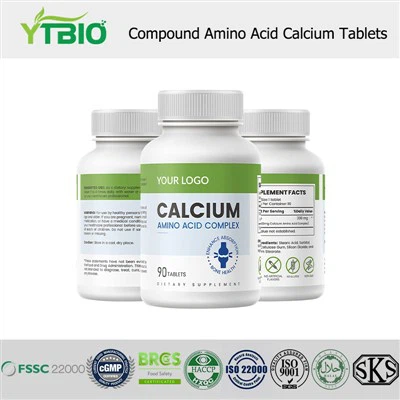
Let’s start by exploring some of the most widely used natural organic raw materials and their unique contributions to the world of beverages.
Fruits and Berries
Fruits and berries are perhaps the most obvious and beloved natural ingredients in the beverage industry. They bring a burst of flavor, a splash of color, and a wealth of nutrients. Apples, for instance, are a staple in the production of apple juice. Organic apples, free from synthetic pesticides and fertilizers, offer a pure and unadulterated taste. They are rich in antioxidants, such as flavonoids and polyphenols, which have been linked to various health benefits, including reducing the risk of heart disease and certain types of cancer.
Oranges are another popular choice, especially for freshly squeezed orange juice. Organic oranges not only provide a tangy and sweet flavor but are also an excellent source of vitamin C, a powerful antioxidant that boosts the immune system. The fragrant peel of oranges can also be used in the production of flavored teas and carbonated drinks, adding a subtle citrusy aroma.
When it comes to berries, the options are endless. Strawberries, blueberries, raspberries, and blackberries are all highly sought-after for their intense flavors and high antioxidant content. Strawberries, with their bright red color and sweet taste, are often used in smoothies, milkshakes, and fruit-infused waters. Blueberries, known as a "superfood," are packed with anthocyanins, which have antioxidant and anti – inflammatory properties. They are commonly used in the production of blueberry juice and are also a popular addition to mixed – berry beverages.
Herbs and Spices
Herbs and spices have been used for centuries in traditional medicine and culinary arts, and they play a significant role in the beverage industry as well. Mint is a classic example. Peppermint and spearmint are widely used in teas, cocktails, and flavored waters. Peppermint has a refreshing and cooling effect, making it a popular choice for after – dinner beverages. It can also aid in digestion and relieve nausea. Spearmint, on the other hand, has a milder flavor and is often used in more delicate beverages.
Ginger is another powerful herb that has gained popularity in recent years. It has a spicy and warming flavor, and its inclusion in beverages can add a unique kick. Ginger is known for its anti – inflammatory and digestive properties. It is commonly used in ginger ale, a carbonated soft drink that has been a favorite for generations. Ginger can also be found in herbal teas, especially those marketed for their digestive benefits.
Cinnamon is a spice that brings a warm and sweet flavor to beverages. It is often used in coffee, tea, and mulled wines. Cinnamon has been shown to have potential health benefits, such as regulating blood sugar levels and reducing inflammation. In the beverage industry, it can be used as a flavor enhancer or as a natural sweetener alternative in some cases.
Grains and Seeds
Grains and seeds are increasingly being used in the beverage industry, particularly in the creation of plant – based milk alternatives and functional beverages. Oats are a versatile grain that can be used to make oat milk. Organic oats are a good source of fiber, which can help with digestion and promote a feeling of fullness. Oat milk has a creamy texture and a slightly sweet taste, making it a popular dairy alternative in coffee and smoothies.
Chia seeds have become a trendy ingredient in the beverage world. These small seeds are rich in omega – 3 fatty acids, fiber, and antioxidants. When soaked in liquid, chia seeds expand and form a gel – like consistency, which can add thickness and texture to beverages like smoothies and puddings. They are often included in functional beverages that are marketed for their health – boosting properties.
Barley is another grain that has a long history of use in the beverage industry, particularly in the production of beer. Organic barley provides a natural and complex flavor profile to the beer – making process. It is also used in the production of barley tea, a popular beverage in many Asian countries. Barley tea has a nutty and slightly sweet taste and is known for its cooling properties.
Roots and Tubers
Roots and tubers offer unique flavors and nutritional benefits to the beverage industry. Turmeric, a bright yellow root, has gained significant attention in recent years due to its powerful anti – inflammatory compound, curcumin. Turmeric is often used in golden milk, a popular beverage made with milk, turmeric, and other spices. Golden milk is not only delicious but is also believed to have health benefits, such as reducing inflammation and boosting the immune system.
Beets are another root vegetable that is making waves in the beverage industry. Organic beets are rich in nitrates, which can help improve blood flow and lower blood pressure. Beet juice is a popular choice for health – conscious consumers, and it can also be used as a natural food coloring in other beverages. Its sweet and earthy flavor makes it a versatile ingredient in both sweet and savory beverages.
Sweet potatoes are a tuber that can be used to create unique and nutritious beverages. They are a good source of vitamins A and C, as well as fiber. Sweet potato smoothies, made with sweet potato, milk, and other fruits, are becoming increasingly popular. They offer a creamy texture and a sweet, comforting flavor.
Leaves
Tea leaves are, of course, a cornerstone of the beverage industry. There are countless varieties of tea, including green tea, black tea, oolong tea, and white tea, all made from the leaves of the Camellia sinensis plant. Organic tea leaves are grown without the use of synthetic pesticides and fertilizers, ensuring a pure and natural taste.
Green tea is particularly popular for its health benefits. It is rich in catechins, a type of antioxidant that has been associated with a reduced risk of heart disease, cancer, and other chronic conditions. Green tea can be enjoyed on its own or blended with other ingredients, such as fruits and herbs, to create unique flavor combinations.
Black tea, on the other hand, is more fully oxidized than green tea, resulting in a stronger and more robust flavor. It is a staple in many cultures around the world and is often enjoyed with milk and sugar. Black tea also contains antioxidants and has been shown to have positive effects on heart health.
As a supplier of natural organic raw materials, I understand the importance of quality and sustainability. All our raw materials are sourced from trusted farmers who follow strict organic farming practices. We ensure that our products are free from harmful chemicals and genetically modified organisms (GMOs), providing you with the purest and most natural ingredients for your beverage production.
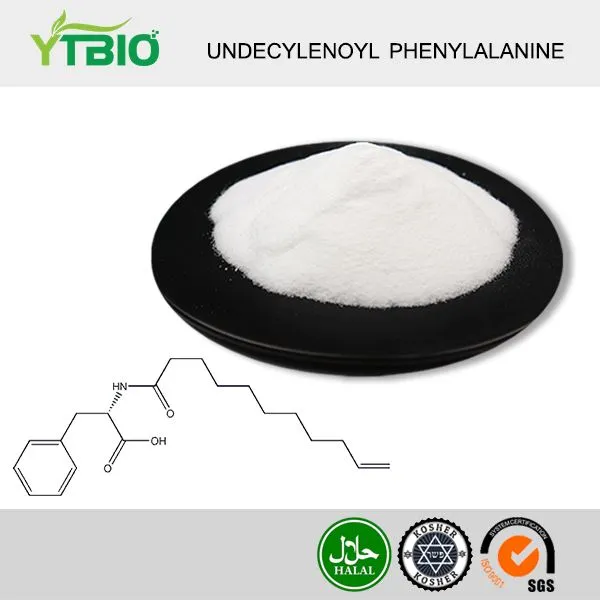
The demand for natural organic beverages is only going to increase in the coming years as consumers become more health – conscious and environmentally aware. If you’re in the beverage industry and are looking for high – quality natural organic raw materials, I invite you to reach out to me. Whether you’re a small – scale artisanal producer or a large – scale commercial manufacturer, I can provide you with the right ingredients to help you create delicious, healthy, and competitive beverages.
Health Food Raw Materials References
- "The Oxford Companion to Food" by Alan Davidson
- "Encyclopedia of Food Science and Nutrition"
- Various research papers on the health benefits of natural organic ingredients in the Journal of Agricultural and Food Chemistry
Shaanxi Yuantai Biological Technology Co., Ltd.
Shaanxi Yuantai Biological Technology Co., Ltd. is one of the most professional natural organic raw materials manufacturers and suppliers in China, specialized in providing natural plant extracts with competitive price. We warmly welcome you to buy or wholesale bulk natural organic raw materials for sale here from our factory.
Address: NO.1 Plant, China Fnzyme Industrial Park, Economic Development Zone, Weinan City, Shaanxi, China
E-mail: sales@sxytbio.com
WebSite: https://www.sxytbio.com/
