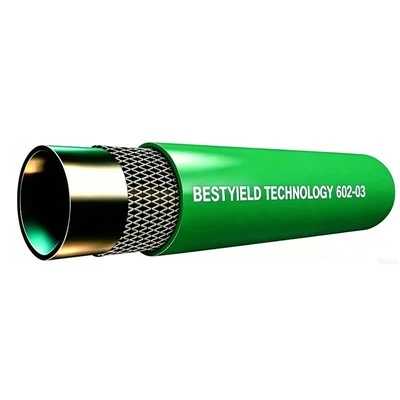
In the realm of industrial manufacturing, the selection of appropriate hoses is crucial for ensuring smooth operations and high – quality production. As a supplier of CIIR+EPDM hoses, I often encounter inquiries regarding their suitability for various industries. One question that has been coming up more frequently lately is: Can CIIR+EPDM hoses be used in textile manufacturing? In this blog post, I will explore this topic in depth, discussing the properties of CIIR+EPDM hoses, the requirements of textile manufacturing, and how these hoses can potentially fit into the textile production process. CIIR+EPDM Hose
Understanding CIIR+EPDM Hoses
Before we delve into their application in textile manufacturing, it’s essential to understand what CIIR+EPDM hoses are. CIIR stands for Chlorobutyl Rubber, while EPDM stands for Ethylene – Propylene – Diene Monomer. These two types of rubber are combined to create a hose with unique properties.
Chlorobutyl rubber is known for its excellent air and gas impermeability, resistance to heat, ozone, and chemicals. It offers a high level of damping and vibration isolation, which can be beneficial in reducing noise and wear in industrial applications. On the other hand, EPDM rubber is valued for its outstanding weather resistance, including resistance to sunlight, rain, and extreme temperatures. It also has good electrical insulation properties and is highly adaptable to a wide range of chemical environments.
When these two rubbers are combined, the resulting CIIR+EPDM hose inherits the best of both worlds. It has enhanced resistance to a variety of substances, including water, steam, and many chemicals commonly found in industrial settings. Additionally, it can withstand a relatively wide temperature range, making it suitable for both hot and cold processing environments.
Requirements in Textile Manufacturing
Textile manufacturing is a complex process that involves several stages, from fiber production to fabric finishing. At each stage, different types of equipment are used, and each piece of equipment has its own set of requirements for hoses.
1. Fluid Transfer
One of the primary functions of hoses in textile manufacturing is fluid transfer. This can include the transfer of water, dyes, chemicals, and lubricants. For water and steam transfer, hoses need to have good resistance to high temperatures and pressure. In the case of dye transfer, hoses must be resistant to the specific chemicals used in the dyes, which can be highly corrosive.
2. Hygiene
In the textile industry, especially when dealing with fabrics that will come into contact with the human body, hygiene is of utmost importance. Hoses used in the manufacturing process should not contaminate the textiles with any harmful substances. They should be easy to clean and sanitize to prevent the growth of bacteria and other microorganisms.
3. Flexibility and Durability
Textile manufacturing equipment often requires hoses that can bend and flex without kinking or breaking. This is because the equipment may have moving parts or require hoses to be routed in tight spaces. At the same time, the hoses need to be durable enough to withstand the continuous wear and tear associated with repeated use.
Suitability of CIIR+EPDM Hoses in Textile Manufacturing
1. Chemical Resistance
Many of the chemicals used in textile manufacturing, such as dyes, bleaches, and finishing agents, can be harsh and corrosive. CIIR+EPDM hoses, due to their inherent chemical – resistant properties, are well – suited for handling these substances. The combination of chlorobutyl and EPDM rubbers provides a protective barrier against a wide range of chemicals, reducing the risk of hose degradation and leakage.
For example, in the dyeing process, where reactive dyes, acid dyes, and direct dyes are commonly used, CIIR+EPDM hoses can resist the acidic or basic nature of these dyes, ensuring a long – term and reliable fluid transfer.
2. Temperature Resistance
Textile manufacturing involves processes that can generate high temperatures, such as steam ironing and heat – setting. CIIR+EPDM hoses can withstand elevated temperatures without losing their physical properties. This makes them suitable for transferring hot water or steam during these processes, where maintaining the integrity of the hose is crucial for both safety and efficiency.
3. Hygiene
As mentioned earlier, hygiene is a critical factor in textile manufacturing. CIIR+EPDM hoses have a smooth interior surface that is easy to clean. This reduces the likelihood of chemical residues and microbial growth. Additionally, these hoses are non – toxic and do not release any harmful substances into the fluids they carry, ensuring that they meet the strict hygiene requirements of the textile industry.
4. Flexibility and Durability
The flexibility of CIIR+EPDM hoses allows them to be easily installed in various textile manufacturing equipment. They can be bent and twisted to fit into tight spaces without kinking, which is essential for the proper functioning of the equipment. Moreover, their durability ensures a long service life, reducing the frequency of hose replacements and minimizing downtime in the production process.
Case Studies
To further illustrate the suitability of CIIR+EPDM hoses in textile manufacturing, let’s look at a few real – world case studies.
In a large – scale textile dyeing factory, traditional hoses were constantly suffering from chemical corrosion and leakage due to the harsh dyeing agents. After switching to CIIR+EPDM hoses, the factory noticed a significant reduction in hose failures. The new hoses were able to withstand the corrosive dyes, resulting in fewer production interruptions and lower maintenance costs.
In another case, a textile finishing plant that used heat – setting equipment was facing issues with hoses melting under high temperatures. By replacing the old hoses with CIIR+EPDM hoses, the plant was able to operate more efficiently, as the new hoses could handle the high – temperature steam without any problems.
Conclusion
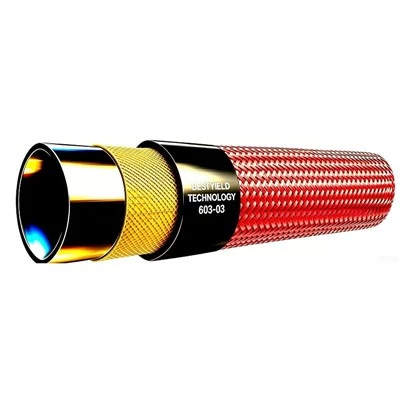
In conclusion, CIIR+EPDM hoses are indeed a viable option for textile manufacturing. Their chemical resistance, temperature resistance, hygiene properties, and flexibility make them well – suited for the various processes involved in textile production. Whether it’s fluid transfer, steam handling, or chemical delivery, these hoses can provide a reliable and long – lasting solution.
MVQ Hose If you are involved in textile manufacturing and are currently in the market for high – quality hoses, I encourage you to consider CIIR+EPDM hoses. As a professional CIIR+EPDM hose supplier, I can offer you a wide range of hose products tailored to your specific needs. I am more than happy to have in – depth discussions with you about your requirements and provide you with detailed product information. Contact me to discuss potential procurement and take your textile manufacturing process to the next level.
References
- Morton, M. (Ed.). (2001). Rubber Technology, Third Edition. Van Nostrand Reinhold.
- Carley, J. F. (1993). Rubber Industry Handbook. Marcel Dekker.
- Helt, J. F. (2006). Applied Elastomers: A Practical Manual. Technomic Publishing.
BESTYIELD Technology (Huizhou) Co., Ltd.
BESTYIELD Technology (Huizhou) Co., Ltd. is one of the most professional ciir+epdm hose manufacturers and suppliers in China, featured by quality products and good price. Please rest assured to buy durable ciir+epdm hose made in China here and get quotation from our factory. Customized orders are welcome.
Address: Yinshan Industrial Zone, Liangjing Town, Huiyang District, Huizhou City, Guangdong Province
E-mail: rick@bestyield.net
WebSite: https://www.bestyield.org/
