Hey everyone, it’s Jake here from your go-to car battery charger supply team. If you’ve ever stared at the back of your charger box and seen tiny terms like “pulse charging” and “constant charging” and wondered, “Wait, is there actually a difference beyond just fancy marketing jargon?” — you’re not alone. I get DMs, Instagram comments, and even random stops at trade shows from people asking this exact question all the time. Most folks I talk to just want to know: which one’s better for my battery? Spoiler: it depends on what you’re dealing with, and that’s exactly what we’re breaking down today. Let’s cut through the confusing tech stuff and keep this real, no textbook jargon that’ll make you zone out. Car Battery Charger

First, let’s start with the basics so we’re all on the same page. Your car battery — it’s that lead-acid (yep, the same kind that’s been around for ages) powerhouse under the hood, right? It’s got positive plates made of lead dioxide, negative plates made of pure lead, and a goopy sulfuric acid electrolyte in between. If you’ve ever let your car sit for three weeks without driving it, the sulfates in that acid start crystallizing onto the plates — that’s the main reason batteries die early. Now, both pulse and constant charging are just different ways to push electricity into those plates to get the battery charged back up. But they do it in totally different ways, and that changes everything for how your battery performs long-term.
Let’s talk about constant charging first — that’s probably the one you’ve used at some point, even if you didn’t know the name. If you’ve ever plugged a charger into a dead battery and let it sit for 8 hours straight without stopping, that’s constant charging. It sends a steady, unwavering flow of electricity to the battery the entire time it’s connected, no breaks, no ups and downs. It’s simple, it’s cheap to make, and it works okay for small, quick top-ups — like if you forgot your headlights on overnight and your battery’s just a little drained, not totally dead. But here’s the thing that most people don’t tell you: constant charging has a pretty big flaw, especially with older or neglected batteries.
See, when that battery is almost fully charged, the plates get super saturated with electricity. If you keep shoving the same steady flow in, some of that energy starts to turn into something called “gassing” — that’s those tiny bubbles you might see fizzing from the battery cells, right? That’s actually hydrogen and oxygen gas being released as a byproduct of overcharging. Over time, constant charging causes more gassing, which eats away at the battery’s water content (if it’s a flooded lead-acid, anyway; sealed ones have their own issues). That means your battery’s plates dry out faster, and if you leave it on constant charge for too long, you can actually overcharge it — that warps the plates, shortens their life, and eventually, the battery just dies sooner than it should. I’ve seen customers come back with batteries that are only a year old, complaining they “won’t hold a charge anymore,” and half the time it’s because they left them on a cheap constant charger for weeks to “keep them topped up” over winter. Oops.
Now, pulse charging — that’s the newer tech, and it’s where the whole “break in the flow” thing comes in. Instead of sending that steady current nonstop, pulse charging sends short, rapid bursts of electricity (usually just a fraction of a second long) to the battery, then pauses for a split second before sending another burst. Those bursts are timed to hit just the right spot, and that pause between them is key. Why is that pause important? Remember the sulfates I mentioned earlier, the crystallized stuff that builds up on the plates? That pause isn’t just a break for the battery — it’s actually dissolving those sulfates back into the electrolyte without hurting the plates. That’s why pulse charging is often called “desulfating” too — that’s a huge plus for old or neglected batteries that are just starting to get weak.
Wait, hold on — let’s make sure we’re not oversimplifying here. Not all pulse chargers are the same, right? Some cheap ones on Amazon just send random bursts that don’t do anything useful, but the good ones (the kind we supply) use a microprocessor to time the pulses exactly to the battery’s needs. So if the battery’s dead, it sends bigger pulses to kickstart it, then switches to smaller pulses once it’s almost charged. Another big difference with pulse charging is that it barely causes any gassing, if at all. Because the flow isn’t steady, the battery doesn’t get over-saturated fast, so you don’t have that fizzing and the water content stays intact. That makes pulse charging way gentler on your battery over time. I’ve got a customer who has a fleet of 12 old pickup trucks he uses for construction — he used to go through 2-3 batteries a year on constant chargers, now he uses our pulse chargers and he’s only replaced 1 battery in the last 2 years. That’s real proof right there.
But wait — pulse charging isn’t perfect, and it’s not always better. Let’s talk about when to use which, because that’s the part that actually matters for your daily life. If you need a quick top-up — like you left your phone charger on in the car, it’s been two days, and you need to get to work in an hour — a pulse charger will work, but a constant charger will get the job done faster, since it’s sending a steady flow. Wait, but hold on — don’t confuse “faster” with “better.” If you’re in a rush, sure, use a constant charger, but don’t leave it on there longer than you need to, or you’ll mess up your battery. Also, if you have a brand new battery, pulse charging is probably the way to go because it gentles breaks it in, extending its lifespan. Constant charging is fine for new batteries too, but only if you monitor it closely — don’t leave it on all weekend unattended.
Another big point: what kind of battery are you charging? Not all car batteries are the same — there’s flooded lead-acid, AGM, gel cell, even lithium-ion now (though most cars still use lead-acid). Pulse charging works great for all of these, especially AGM batteries which are super sensitive to overcharging. Constant charging? AGM batteries will get damaged way faster if you overcharge them with a steady current, so pulse is basically non-negotiable there. Gel cells are a little more forgiving, but pulse still lasts longer.
Let’s clear up a common myth too — some people think pulse charging is just a fancy gimmick to charge more, but no, it’s a real difference in how the electricity interacts with the battery chemistry. Lead-acid batteries work because of that chemical reaction between the plates and electrolyte, and pulse charging helps that reaction happen more evenly, instead of forcing it so hard that parts of the battery get overcharged while others are undercharged. That’s why some higher-end chargers (the ones we supply, obviously) have both modes — you can pick pulse for long-term storage or gentle charging, and constant for quick top-ups when you’re in a hurry.
Now, let’s talk about what this means for you, the person buying a charger, and for us, as suppliers. A lot of our customers come to us because they’ve had bad experiences with cheap constant chargers that killed their battery, and they want a charger that actually lasts. The takeaway here is: constant charging is simple, fast for short jobs, but risky if you’re not watching it. Pulse charging is gentler, better for your battery long-term, can fix minor sulfation issues, and is the way to go for most people, especially if you’re storing your car for the winter or have a newer or AGM battery.
Wait, but I should mention a caveat here too — pulse chargers aren’t magic. If your battery is totally dead, like it’s been sitting for six months and won’t hold even a tiny charge, a pulse charger might not bring it back. But it’ll definitely give it a better shot than a constant charger, because it’s dissolving those sulfates that are sealing the plates shut. We’ve had customers send us batteries they thought were dead, plug them into our pulse chargers, and get another 6 months out of them — that’s money in their pocket, right?
So, to wrap this up: constant charging = steady current, simple, fast for quick top-ups, risk of overcharging and shortened battery life. Pulse charging = timed bursts with pauses, gentler, desulfates plates, longer battery life, better for most scenarios. The best chargers actually have both modes, so you can pick what you need in the moment.
If you’re in the market for a new charger, whether it’s for personal use or for a fleet of vehicles, we’ve got options tailored to every need — from small portable pulse chargers for your garage to heavy-duty ones for commercial fleets. We’ve spent years testing different charger tech, and our pulse chargers stand out because they’re affordable, reliable, and actually do what they say they’ll do — no empty marketing claims, just real results. If you’re looking to chat through what charger would work best for your specific needs, or want to bulk order for your business, hit us up. We’re here to help, not just sell you something that’ll break in a year.
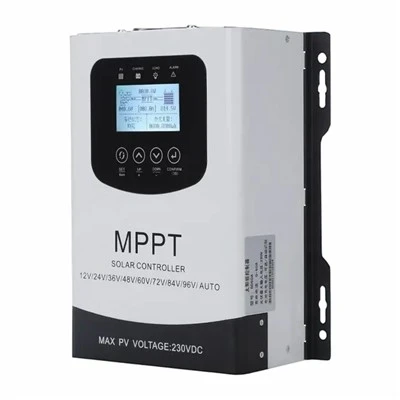
At the end of the day, the difference between these two charging methods isn’t just tech jargon — it’s the difference between a battery that lasts 3 years and one that lasts 5, between avoiding the hassle of a dead battery on your way to work, and wasting money replacing batteries too often. We’ve built our business on making sure our customers have the right tools to take care of their cars, and understanding the difference between pulse and constant charging is a huge first step. If you’ve got questions, drop them in the comments, send us a message, or reach out to our team to chat about your charging needs. We’re always here to help.
12v Lithium Charger References
- Linden, D., & Reddy, T. B. (2002). Handbook of Batteries (3rd ed.). McGraw-Hill.
- Pavlov, D. (2011). Lead-Acid Batteries: Science and Technology (2nd ed.). Elsevier.
- US Department of Energy. (2020). “Battery Charging Basics for Electric and Combustion Engine Vehicles.” Energy Efficiency and Renewable Energy Office.
- Vartanian, V., et al. (2018). “Effects of Pulse Charging on Lead-Acid Battery Cycle Life.” Journal of Power Sources, vol. 395, pp. 227-234.
- Battery University. (2022). “Lead-Acid Battery Charging Methods.” Cadex Electronics Inc.
Huizhou Qiangfeng Power Technology Co., Ltd.
Huizhou Qiangfeng Power Technology Co., Ltd. is one of the most professional car battery charger manufacturers and suppliers in China, featured by quality products and good service. We warmly welcome you to buy customized car battery charger made in China here from our factory. If you have any enquiry about quotation and free sample, please feel free to email us.
Address: No. 28, Hu’ao Avenue, Shiwan Town, Boluo County, Huizhou City, Guangdong Province
E-mail: Komco@Jinlidianqi.cn
WebSite: https://www.autobatterychargers.com/
