If you’ve ever stood in front of a grinder that’s supposed to be cranking out gravel, grain, or whatever material you run through it, only to see it sputtering because one of the wearing parts just gave out — you know how frustrating that is. A few years back, I was on a construction site where we had to stop work for three whole days because the grinder’s rotor liners wore through, and we had to wait for a custom part to come in. That’s when I started learning everything I could about wear-resistant parts for grinders, because I saw first-hand how cheap, generic parts don’t just fail — they can ruin your whole machine. And now, after years of being in the business of supplying these parts, I’m here to break down exactly how they stop your grinder from getting damaged, not just make it last longer. Износостойкие детали для измельчителей

First off, let’s get one thing straight: grinders work by slamming, grinding, and scraping hard materials against their internal components. All that force is relentless. If you don’t have parts built to take that beating, it’s not just the part that wears out. The grinder’s main components — like the rotor, housing, and shafts — take the hit too. Here’s where wear-resistant parts come in. Most of these parts aren’t just regular steel that’s “a little thicker.” They’re made with specialized materials and designs that distribute force differently than the parts your grinder came with, or the cheap replacements you might pick up at a local hardware store.
Let’s start with the material science, because that’s the real backbone here. A lot of good wear-resistant parts use high-chromium alloys, right? These aren’t your basic mild steel. High-chromium alloys have a hardness level that’s way higher — like, regular mild steel is around 120-180 Brinell, but high-chromium is 550-700 Brinell. That might sound like a random number, but what it means is that they can resist scratching and denting way better than regular steel. When you’re grinding rocks, concrete, or even recycled metal, those materials have sharp, hard edges that would dig into regular steel and leave gouges. Those gouges turn into stress points, and over time, those stress points crack, expand, and eventually cause the whole grinder’s housing to warp or even crack. Wear-resistant parts don’t get those deep gouges as easily, so your grinder’s main structure stays intact.
Another material I swear by (no pun intended, but it fits) is tungsten carbide. Yeah, it’s super hard — almost as hard as diamond — and we use it for parts that get the absolute worst of the abrasion, like grinder hammers and impact plates. Tungsten carbide is often applied as a coating on regular steel, or even embedded in the part itself. Wait, why not just make the whole part out of tungsten carbide? Because it’s brittle. If you made a whole rotor out of it, it would crack the first time a big chunk of rock hit it. So we mix it right: use a base of strong steel that can handle impact, and add a thin layer of tungsten carbide where the grinding happens. That way, you get both impact resistance and wear resistance. Generic parts skimp on this — they use plain steel for everything, so when they get hit hard, they dent, and when they get worn, they thin out enough that the steel behind the impact zone gets exposed. Once that happens, the grinder’s rotor is no longer balanced, which causes vibration. And vibration is a silent killer for grinders — it wears out bearings, seals, and even the motor over time.
Speaking of design, that’s another big factor most people don’t think about. Wear-resistant parts aren’t just about the material; they’re shaped to do a better job of distributing force. Let’s take grinder liners, for example. A lot of standard liners are flat, or have simple curves. But the best wear-resistant liners have a profile that guides the material through the grinding chamber without letting it slam directly into the housing. Wait, how does that prevent damage? If material hits the housing dead-on, the force is concentrated in one spot, every time. That’s like repeatedly punching a small area of a wall — eventually, you’ll break through. A good liner redirects the material flow, so the force is spread out over a larger surface area of the housing. That means no single spot takes too much abuse, so the housing doesn’t warp or wear through.
Then there’s the way wear-resistant parts are mounted. I’ve seen so many grinders that get damaged because someone used generic mounting hardware for aftermarket parts. If a wear part isn’t secured tightly and evenly, it can shift during operation. When it shifts, it doesn’t do its job of protecting the main grinder parts. Even worse, a shifting liner or hammer can hit other internal components of the grinder — like the rotor blades, or the discharge plate — causing collateral damage. Our wear-resistant parts are designed to fit exactly like the original equipment, sometimes with reinforced mounting holes to handle the constant vibration and force. That extra stability means the part does its job, and nothing inside the grinder gets jostled around enough to break.
Another thing: abrasion vs. impact. A lot of people think all wear is the same, but it’s not. There’s abrasive wear (when particles scrape against a surface) and impact wear (when a hard object hits a surface). The best wear-resistant parts are engineered to handle both, which is huge because grinders have to deal with both at the same time. Generic parts might handle abrasive wear okay for a little while, but they fail when there’s a big impact — like a chunk of concrete falling into the grinding chamber. They crack, and then suddenly you have metal shavings in your output, or a part that breaks off and gets stuck in the grinder, causing a blockage that burns out the motor. Our parts are tested to handle both types of wear, so that big impact doesn’t turn into a disaster for your whole machine.
Wait, let’s give a real example. A client of mine who runs a recycling yard was using generic hammers for their grinder that processes old appliances. The generic hammers would last about two weeks, and in that time, they’d wear unevenly, start to vibrate, and eventually, the vibration wore out two of their grinder’s bearings in three months. They switched to our tungsten carbide-coated hammers, and guess what? The hammers last six months now, and they haven’t had to replace a bearing in over a year. That’s not just about the hammers lasting longer — it’s about saving thousands in downtime and part replacements. The bearings were wearing out because of the vibration from the worn hammers, and our hammers eliminated that vibration, so the rest of the grinder got to stay in good shape.
What about seals and bearings? A lot of people forget that the parts around the grinding chamber are just as important as the ones inside. Wear-resistant parts often work with specialized seals that are designed to keep out dust and debris. If dust gets into a grinder’s bearing, it acts like sandpaper, grinding away at the bearing surfaces until it seizes up. A worn generic liner lets more dust and fine particles escape into the outer parts of the grinder, because it doesn’t seal the grinding chamber as well. Our liners are precision-fitted, so they keep most of the fine material inside where it belongs, and only the proper size output comes out. That means less dust getting into the seals and bearings, so those parts last way longer too.
I also want to talk about cost, because I know a lot of people see wear-resistant parts as more expensive upfront, but that’s a total myth. Let’s do the math: a generic grinder liner costs $50, and lasts two weeks. A wear-resistant liner from us is $200, and lasts 10 weeks. So over 10 weeks, generic costs $200, same as the wear-resistant one. But wait — the generic liner causes vibration, which leads to a $300 bearing replacement every three months, plus $1,000 in downtime every time the grinder breaks. The wear-resistant liner doesn’t cause that damage, so you’re saving way more than you’re spending. Plus, less downtime means you’re getting your job done faster, which means more revenue. It’s not just about parts — it’s about keeping your whole grinder running, not just the wearing parts.
Now, here’s the key thing to remember: not all wear-resistant parts are created equal. A lot of suppliers will slap a “wear-resistant” label on a part that’s just slightly thicker steel, and call it a day. Those parts won’t do much to protect your grinder. The good ones — the ones that actually work — are tested, designed for your specific grinder model, and made with materials that match the type of material you’re grinding. If you’re grinding grain for a farm, you don’t need the same part as someone grinding concrete for construction. The impact and abrasive forces are totally different, so the part needs to be tailored to that.
At the end of the day, the biggest way wear-resistant parts prevent damage to grinders is that they take the brunt of the abuse so the other parts don’t have to. Your grinder is a big investment — whether it’s for a small farm, a recycling company, or a construction site — and you don’t want to have to replace the whole thing because you cut corners on cheap parts. Those generic parts might seem like a deal at first, but they end up costing you way more in the long run.
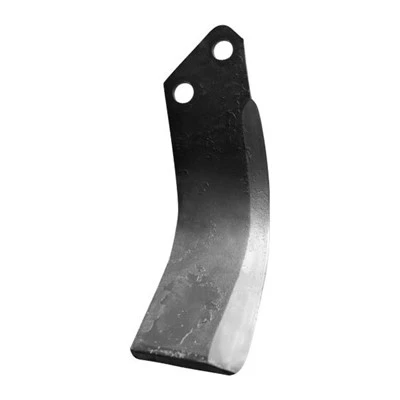
If you’re tired of dealing with constant grinder breakdowns, worn parts, and unplanned downtime, let’s talk. We supply wear-resistant parts for all kinds of grinders, and we can help you pick the right parts for your specific needs. We don’t just sell parts — we know how they keep your grinder running strong, and we’re here to make sure you don’t have to worry about unnecessary damage.
Auger Drilling Parts References
- ASTM International. (2020). Standard Test Method for Wear Testing with a Sand/Rubber Wheel Apparatus. ASTM G65-20.
- Kamps, T., & Smith, L. (2019). Abrasion and Impact Wear in Industrial Grinding Equipment. Journal of Manufacturing Processes, vol. 42, pp. 112-120.
- Tungsten Carbide Applications for Industrial Components. (2021). International Journal of Refractory Metals and Hard Materials, vol. 98, pp. 105567.
Ningbo Tanxi Import & Export Co., Ltd.
As one of the most professional grinder wear parts manufacturers and suppliers in China, we’re featured by quality products and good service. Please rest assured to buy bulk grinder wear parts at competitive price from our factory. We also accept customized orders.
Address: Suite 801, 258 Tiangao Lane, Yinzhou Southern Business District, Ningbo 315100, P.R. China.
E-mail: andy@tx-drilling.com
WebSite: https://www.tx-wearparts.com/
