Hey there, it’s Jake from your go-to refrigerated display cases supplier, and I know firsthand how stressful it can be when one of your cases starts acting up—milk that’s too warm, soda that’s gone flat, or that’s weird frost build-up you can’t explain. 9 times out of 10, the culprit here is off refrigerant levels, and I’ve lost count of how many clients have called me panicking thinking they need a whole new case, only for us to fix it with a simple level check. Refrigerated Display Cases
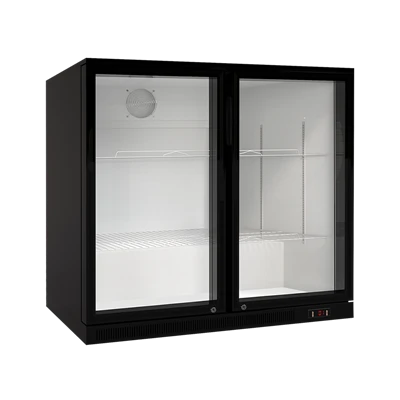
I get it—if you’re new to owning or managing commercial display cases, refrigerant stuff can sound like rocket science. But trust me, you don’t need an engineering degree to do this right. Skip the YouTube clickbait that makes it look like you need a lab coat and a toolbox full of random gadgets, and follow this real, supplier-tested method I walk every one of my clients through. No fancy jargon, no useless steps—just practical stuff that works for walk-ins, open-air coolers, those glass-door display cases you see in bodegas and grocery stores.
First, let’s get one thing straight: I’m not telling you to mess with adding refrigerant yourself. That stuff’s regulated in most places, and if you overcharge or undercharge, you’ll end up costing way more in repairs down the line. This post is all about checking the level correctly so you can spot a problem early, tell if you need to call a pro, and even catch if your tech is skimping on maintenance. I’ve seen businesses lose thousands in spoiled goods because they ignored a tiny refrigerant level red flag—don’t be that guy.
What You Actually Need Before You Start
Grab these 3 basic tools—nothing fancy, I promise:
- A digital thermometer (not that old analog one from your kitchen drawer; it needs to be accurate to at least +/- 0.5°F)
- A set of refrigerant gauges (you can rent these from most HVAC supply shops if you don’t own one)
- A notepad or your phone to jot down notes (you’ll need to log temps and pressures)
Pro tip from me: Don’t wait until your case is mid-shift to do this. Schedule a quick check first thing in the morning, before you stock fresh product and crank the doors open nonstop. If the case’s been running hard for 8 hours straight, you won’t get a real reading.
Step 1: Prep the Case & Gauge Connections
First, pop the case’s service panel—usually that’s a small metal cover on the back or side, held in with 2-3 Phillips-head screws. This is where the refrigerant lines hook up to the gauges, and it’s different for every model, so check your user manual first. If you lost yours? No stress—most of my clients hit me up for a quick copy, or you can look up the manual using your case’s serial number on the manufacturer’s site.
Next, you need to get the case’s “steady state” temperature. That means leaving the doors closed for 30 full minutes before you check anything. No restocking, no mopping, no grabbing a soda for a customer. I know, it’s tough, but it’s the only way to get a reading that isn’t skewed by last-minute runs. If you skip this step, you might think your level’s fine when it’s actually low, and you’ll end up with spoiled deli meat by lunch.
Step 2: Connect the Gauges & Read the Pressures
Okay, once 30 minutes are up, get your gauges out. You’ll see two hoses: the blue low-pressure hose and the red high-pressure hose. Never mix these up—I’ve had techs do this and mess up a whole system before. The blue one connects to the small, thin line (that’s your suction line, low side) and the red one to the big, thick line (liquid line, high side).
Now, here’s the key part: what pressures are we looking for? This is where your case’s user manual is non-negotiable. Refrigerant types vary—most of our newer commercial display cases use R-404A or R-290, and the pressure specs are totally different for each. For example, a case running R-404A should have a low-side pressure of around 10-15 PSI at 35°F box temp, while R-290 might be 5-10 PSI. If you don’t use the right spec, your reading means nothing.
Take that pressure reading twice, 5 minutes apart, to make sure it’s steady. If it’s dropping slowly, that’s a clear sign of a leak, and your level’s low. If it’s spiking, you might have an overcharge, which is just as bad—it makes the compressor work way harder, burning it out way faster.
Step 3: Cross-Check with Temperatures (Don’t Skip This!)
Pressures alone aren’t enough—you need to match them to the actual box temp and line temp. Let’s keep it simple:
- Box temp: Stick your digital thermometer in the center of the case, away from the doors and any product blocking the air vents. It should be 34-38°F for most refrigerated display cases (freezers are -10 to 0°F, so adjust for that). If it’s 40°F or higher, that’s a red flag.
- Suction line temp: That’s the thin, blue-lined refrigerant line. Touch it (quickly—don’t freeze your fingers!)—it should feel cold, but not frosty or sweating. If it’s warm, that means low refrigerant. If it’s frosted over, that’s a huge leak sign.
- Liquid line temp: The thick, red-lined line. It should be cool, not hot to the touch. If it’s burning hot, that’s an overcharge or a compressor issue.
I once had a client tell me his case was “always warm” and he thought he needed a $10k replacement. We checked the levels with this method, and the pressure was 12 PSI (way below the 18 PSI spec), and the suction line was warm—so we found a tiny pinhole leak in the line and topped up the refrigerant for $200, saving him thousands. That’s why this works.
What’s a “Normal” Level Look Like, Anyway?
Let’s break down the red flags so you know when it’s a problem vs. just part of normal use:
- Good sign: Pressure matches the manual’s spec, box temp is 36°F, lines feel just cool enough to keep product fresh, no frost build-up.
- Low refrigerant clues: Pressure is 20% below the manual’s number, box temp is 2+ degrees over set point, suction line is warm or has light frost.
- High refrigerant clues: Pressure is 20% above spec, liquid line is hot, compressor is running nonstop and making weird loud noises.
Wait—what about open-air display cases? The ones you see in grocery stores without doors, like the ones holding salads or sandwiches? Same rule applies, but you’ll need to block off the air vents around the case while it’s in steady state, since those cases have more air flow. I always remind my clients for those to do the check 10 minutes longer, since the open air makes temps fluctuate faster.
Common Mistakes I See All The Time (Avoid These!)
- Checking levels during peak hours: Like I said earlier, don’t do this when doors are flying open and a hundred customers are grabbing snacks. It skews every reading, so you’ll either think you need a service call that you don’t, or miss a real problem.
- Ignoring the manual: Generic “refrigerant specs” online are garbage. Every case model is different—what works for one of our deli display cases won’t work for a beverage cooler.
- Trying to add refrigerant yourself: Listen, I get that it’s tempting to save a buck, but you need a license to handle commercial refrigerant in most states. Plus, if you add too much, you’ll blow the compressor, which is the most expensive part of the whole case. Our team once fixed a client who tried adding refrigerant himself; he overcharged it so bad the compressor died in 2 days. He ended up paying for a new compressor plus a service fee for the mess.
- Forgetting to schedule regular checks: I tell all my clients to do this level check once a month, even if the case seems fine. Catching a small leak early is way easier and cheaper than fixing a full system failure. Last quarter, a client caught a leak in his produce case during a routine check; if he’d waited, he’d have lost 5 crates of lettuce.
When to Call a Pro (And When It’s Just a Quick Fix)
Let’s be clear: this check is for you to confirm a problem, not fix it. If you spot low pressure or a leak, here’s what happens next:
- A pro will evacuate the old refrigerant, find the source of the leak (usually a loose fitting or tiny hole), seal it, then charge the system to the exact spec. That’s way better than topping it off, which just hides the leak for a little while.
- If your readings are spot-on? Great! That means your case is running efficiently, saving you money on electric bills, and keeping your product fresh (so less spoilage loss).
I’m not just saying this because I sell display cases—our team has installed, serviced, and troubleshooted thousands of these things, so I know what works. I built this blog to cut through the noise, because I hate seeing small business owners get ripped off by techs who either overcharge or don’t do the job right.
Want to Make Your Life Easier?
Here’s a little tip from our team: every time we sell a refrigerated display case, we include a free 1-year maintenance guide that has exact specs for that model, plus a contact for our in-house service team. We also do bulk checks for businesses with multiple cases—like grocery chains or convenience stores—so you don’t have to schedule a million separate appointments.

If you’re noticing your product is warmer than it should be, or your case is running louder than usual, don’t wait until you have a whole case failure. Hit us up to connect with our sales team—we can walk you through a quick virtual check first, no pressure, no sales pitch (promise). We work with all types of businesses, from small bodegas to big grocery chains, so we’ll find a solution that fits your budget.
Chest Freezer At the end of the day, your refrigerated display cases are the backbone of your business—they keep your product safe, keep customers happy, and keep you from losing money. Taking 15 minutes a month to check the refrigerant level is a tiny investment that saves you a ton of headaches down the line. Don’t ignore that little red light on your case, don’t skip the steady state wait, and don’t try to handle refrigerant yourself. Trust the process, trust our team, and your cases will run smooth for years.
References
- Commercial Refrigeration for Food Retailers, U.S. Small Business Administration
- HVAC Refrigerant Pressure Specifications, Air-Conditioning Contractors of America (ACCA)
- Refrigerated Display Case Maintenance Guidelines, National Restaurant Association
- R-404A and R-290 System Operating Parameters, Refrigeration Service Engineers Society (RSES)
Zhejiang Xingbao Electrical Appliances Co., Ltd.
As one of the most professional refrigerated display cases manufacturers and suppliers in China, we also support customized service. Welcome to wholesale bulk high quality refrigerated display cases in stock here from our factory. If you have any enquiry about pricelist, please feel free to email us.
Address: No. 10 Baisha Road, Lianhang Development Zone, Chang’an Town, Haining City, Jiaxing City, Zhejiang Province, China
E-mail: zjxingbao@gmail.com
WebSite: https://www.sunborncn.com/
