Hey everyone, let’s cut to the chase—when I tell people I’ve been in the fur garments game for 18 years, one question pops up more than any other: “Can you really pass down a fur coat like a family heirloom?” It’s a question that doesn’t just get glossed over in the industry anymore, because these days folks aren’t just buying fur for a season—they want pieces that mean something, that outlast fast fashion and feel like a legacy. So today, I’m pulling back the curtain on what it actually takes for a fur garment to be heirloom-worthy, the science behind why some fars work and others don’t, and how my team and I make sure every piece we sell can one day be something you hand to your kid. Fur Garments

First off, let’s get one thing straight: not all fur is built to last. I’ve seen customers come in with a $200 “real fur” jacket from a department store that’s falling apart after two winters—shaky stitching, thin, dry pelts, cheap linings that crack. Heirloom status doesn’t come from just being fur; it comes from durability, care, and that little extra detail that makes a piece timeless. Let’s talk about the science for a sec—something a lot of the “anti-fur” folks skip, but matters here. Fur is made of two layers: the guard hair (the thick, outer hairs you see) and the underfur (the soft, dense one that keeps you warm). High-quality furs like mink, fox, or sheared beaver have guard hairs that are keratin, same as human nails, but way more resilient. If a pelt is tanned right—no shortcuts with low-quality chemicals, no skipping the fat-liquoring step that keeps fur from drying out—it can last 50, even 100 years. I’ve got a customer who brought in her grandma’s 1950s mink coat last year; the fur was silky, the stitching was perfect, all just from regular cleaning and storage. That’s the kind of piece we’re talking about.
But here’s the thing: even the best fur won’t turn into an heirloom on its own. It’s got to be designed that way. When we make a fur garment, we don’t cut corners on construction. Let’s use a mink coat as an example. A lot of mass-produced brands use “piece-dyed” fur, where they dye each pelt individually, but that can make the color fade unevenly over time. We use “stock-dyed” mink, where the whole pelt is dyed before it’s cut, so every patch matches, and the color holds for decades. The linings? We use 100% silk or heavy cotton, not the thin polyester stuff that pills and tears. The closures? Metal snaps or heavy-duty zippers, not plastic that breaks after a few uses. And the stitching—we use a heavy-duty nylon thread, not the cotton stuff that rots if it gets damp. I once had a customer tell me she’d had our fox coat for 12 years, wore it every Christmas to her family’s dinner, and it still looked as good as the day she bought it. That’s the work that goes into making something that lasts.
Now, care is huge. I can’t tell you how many people buy a fur coat and then stuff it in a closet with a bunch of winter coats, or wrap it in a plastic dry-cleaning bag. Plastic is the worst—traps moisture, makes the fur mildew, dries out the guard hairs. We always tell customers to store their fur in a cool, dry place (like a cedar closet—cedar repels moths and absorbs moisture) and to get it professionally cleaned once a year, not every two or three. Wait, but wait—heirlooms aren’t just about looking good. They’re about meaning. I’ve had customers who come in wanting to turn their mom’s old fur jacket into a smaller piece, like a stole or a throw pillow, because the original is too big or doesn’t fit their style. That’s part of heirloom status too—adapting it to fit your life, not just keeping it as a museum piece. Last year, a woman brought in her dad’s 1970s fisher coat and had us turn it into a clutch. Now she carries it to work, and says it feels like he’s right there with her. That’s the kind of story that makes this job worth it.
But let’s address the elephant in the room: the conversation around fur these days. I get it—some people have strong opinions, and that’s fine. But here’s the thing: fur can be sustainable, too. Wait, let’s back that up with science. High-quality fur is a natural, biodegradable material. A cotton jacket takes 20 to 30 years to decompose in a landfill; a fur coat, if it ever does end up there, breaks down in just a few years, no microplastics, no harsh chemicals. And when you hand down a fur, you’re not contributing to fast fashion waste—you’re reusing a piece that’s already been made, so you’re reducing your footprint. I’ve had customers switch from buying a new $500 faux fur coat every two years to investing in a real fur coat from us, and then hand it down. That’s a big win for the planet, if you ask me.
Now, I know some people think “fur is outdated” or “you have to be rich to own one.” That’s not true at all. We have pieces for every budget—from affordable shearling jackets that last 20 years, to high-end mink coats that can be passed down for generations. Last year, a college student bought a $300 shearling jacket from us, and told me she wants to give it to her daughter when she’s older. That’s the kind of thing we’re here for—making heirlooms accessible, not just for the wealthy.
Wait, but what about faux fur? I get asked that too. Faux fur can be nice, but let’s be real—most quality faux fur only lasts 5 to 10 years, max. It’s made from synthetic materials, so it doesn’t hold up to weather, and the fur gets matted and fades. You can’t pass down a faux fur coat the way you can a real one, because it just doesn’t have the durability. That’s not a knock on faux—some people love it for Halloween or costume pieces, but if you want something that’s a legacy, real fur is the way to go—if it’s made right, that is.
Let me tell you a personal story to drive this home. My grandma had a sheared beaver coat from the 1960s. She wore it to every family wedding, every holiday, every important event. When she passed away, my mom gave it to me. I had it cleaned, had a new lining put in (it was a little worn), and now I wear it to my sister’s weddings, to work events, even just on cold days. Last month, my 10-year-old niece asked if she could have it when she’s older. That’s the heirloom cycle right there. That’s what I mean when I say fur can be passed down. But it’s not just the fur itself—it’s the memories. The coat smells like grandma’s perfume, has a stain from a Christmas punch she spilled, has a little tear where my cousin grabbed it too hard once. Those are the things that make it special, not just the material.
Now, I’m not here to sell you anything without being honest. If you buy a cheap, mass-produced fur coat from a fast fashion brand, you can’t expect it to be an heirloom. It wasn’t built to last. But if you invest in a well-made fur garment, take care of it, adapt it to fit your life, it can be something you hand down. That’s the promise my team and I make to every customer. We don’t just sell fur—we sell pieces that become part of your family’s story.
So what should you do if you’re thinking about getting a fur garment that you can pass down? First, look for quality: ask about the type of fur (mink, fox, beaver are the most durable), how it was tanned, and the construction details (stitching, linings, closures). Second, ask about care: we always include a care guide with every piece, and our team is here to answer questions anytime. Third, think about what you want it to mean to you. Is it going to be a winter coat you wear every day, or a special piece for events? That will help you pick the right style.
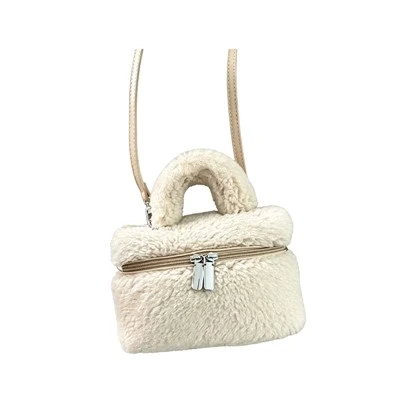
If you’re ready to explore heirloom-worthy fur garments, our team is here to help. We can walk you through different types of fur, show you how care works, and even help you think about how a piece might fit into your family’s future story. Whether you’re buying your first fur, replacing an old one, or looking to turn a family piece into something new, we’re here to chat and work with you.
Apparel Accessories References:
- International Fur Federation. (2022). Durability and Sustainability of Fur Products.
- Journal of Leather Science and Engineering. (2019). Tanning Processes and Longevity of Fur Garments.
- Apparel Research Journal. (2021). Consumer Attitudes Towards Heirloom Apparel and Fur as a Legacy Material.
- North American Fur Auction. (2020). Quality Standards for Pelt Processing and Garment Construction.
- Environmental Science & Technology. (2018). Biodegradability of Natural Fur vs Synthetic Textiles in Landfill Environments.
Tongxiang Meike Leather Co., Ltd.
As one of the most professional fur garments manufacturers and suppliers in China, we have world-leading production equipment and strong manufacturing capabilities. Please rest assured to wholesale bulk fur garments in stock here and get quotation from our factory. Customized orders are welcome.
Address: 6th Floor, Building 3, No.258 Hangfu Road, Tongxiang City, Zhejiang Province China
E-mail: 18858375059@163.com
WebSite: https://www.fauxfurmk.com/
