Hey folks! Let’s cut the crap and talk about something that’s probably been in your pantry or processed food aisle without you even noticing: food additives raw materials, and how they low-key make your favorite snacks stay fresh longer, look good, and not turn into a sad, moldy mess before you can finish them. I’m just a regular supplier of these raw materials, not some lab coat-clad professor who’s gonna throw a bunch of jargon at you. Let’s keep this real, yeah? Food Additives Raw Materials
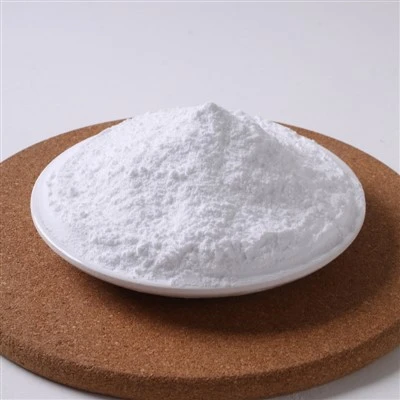
First off, what even are food additives raw materials? If you’ve ever bought a bottle of vinegar for pickling, a bag of cornstarch for thickening soup, or a tub of sunflower oil that says “preservative-free” (wait, no—most “natural preservatives” are just processed raw materials too), you’ve interacted with them. These are the building blocks that go into every additive you see on a food label: emulsifiers, preservatives, thickeners, color stabilizers, all that stuff. But today we’re focused on one big question: how do these materials actually make food stable? Because stability isn’t just “doesn’t go bad”—it’s also “stays the texture you want, doesn’t separate, doesn’t change color halfway through the shelf life.”
Let’s start with the basics. Ever had a salad dressing that separates into oil and vinegar? That’s an emulsion gone wrong, right? Raw emulsifiers are the ones that stop that from happening. For example, lecithin—one of the most common raw materials I supply—comes from soy or sunflower, and it acts like a middleman between oil and water molecules. Without lecithin (or another emulsifier like monoglycerides, which are made from vegetable fats), your ranch dressing would be a gross, two-layer mess in the fridge after a week. That’s food stability 101: keeping inconsistent ingredients mixed so the product looks and tastes the same every time you open it. I’ve had small snack brands hit me up panicking because their protein bar filling was oozing out by the third day on shelves—turns out their previous emulsifier raw material was low-grade, so it couldn’t hold the fat and protein together. Fixed that, and their bar now stays intact for 6 months. Win-win.
Next up: preservative raw materials, the ones that keep mold and bacteria from crashing the party. A lot of people think preservatives are “bad,” but hear me out—without them, a lot of your favorite foods would be way less safe. Take potassium sorbate, for example. It’s a common preservative raw material I supply, and it works by messing with the cell membranes of yeast and mold so they can’t grow. Last quarter, I worked with a craft bakery that was losing 15% of their daily bread to mold within 2 days of baking. They were using a “natural” preservative made from citrus extract, but it was only effective in a narrow pH range, and their sourdough was too acidic for it to work well. Switched to food-grade potassium sorbate, adjusted the dosage, and their mold rate dropped to 1%. That’s not about tricking people into eating chemicals—it’s about making sure their food doesn’t make someone sick, and doesn’t get tossed in the garbage before it’s supposed to.
But stability isn’t just about not spoiling. It’s also about texture and color staying consistent. Ever had a can of cherry pie filling that went from bright red to dull brown after a month? That’s oxidation, plain and simple. Oxidation is when oxygen reacts with the food’s pigments or fats, making them change color or go rancid. Antioxidant raw materials are the fix here. Ascorbic acid (vitamin C) is a big one— I supply bulk ascorbic acid for that exact purpose. It grabs onto oxygen molecules before they can mess with the cherry’s red dye or the fat in a nut butter jar. Last year, a popular nut butter brand reached out because their almond butter was turning a weird gray color on store shelves. They were using a mix of vitamin E and sunflower oil as antioxidants, but the ratio was off—sunflower oil is high in linoleic acid, which oxidizes quickly, so it was actually making the problem worse. We tweaked their raw material blend, swapped out some of the sunflower oil for tocopherols (another antioxidant, derived from soy), and their almond butter stayed that creamy golden color for the full 12-month shelf life. They told me sales jumped 8% after they fixed the color issue—because people hate buying something that looks old, even if it tastes the same.
Wait, let’s talk about thickeners too. If you’ve ever made gravy from scratch and it got lumpy, that’s cornstarch or flour (common thickener raw materials) not dispersing right. In processed foods, thickener raw materials like xanthan gum (which I also supply) do more than just make yogurt thick—they keep the texture consistent no matter where the food is stored. If a yogurt is made in a hot factory and then shipped to a store in a cold warehouse, without xanthan gum, it might separate into watery whey at the bottom and thick yogurt on top. Xanthan gum forms a network of molecules that traps the water, so the yogurt stays smooth, no matter the temperature fluctuations. I once had a Greek yogurt startup come to me because their product was splitting after just 3 days in the store. They were using a low-purity xanthan gum raw material—cut with extra fillers to make it cheaper, so it couldn’t hold the water molecules. Switched to a food-grade, high-purity xanthan, and their yogurt stayed creamy for 2 weeks. That’s stability that matters for both the brand and the consumer.
Now, here’s the part I want to be real about: not all food additives raw materials are created equal. I’ve seen small brands cut corners by buying cheap, impure raw materials from unregulated suppliers, and it always backfires. Last year, a craft energy drink company tried to use a cheap citric acid raw material that had trace amounts of heavy metals—long story short, they got a warning letter from the FDA, had to pull their product, and lost $20k in inventory. On the flip side, when you get high-quality, properly tested raw materials, you’re not just making your product last longer—you’re making it safer, more consistent, and more likely to sell. I don’t just sell raw materials; I test every batch to make sure it meets food safety standards, because I don’t want my clients dealing with the same mess that energy drink company did.
Also, a lot of people don’t realize how raw material sourcing affects stability across different regions. If a brand is selling their chips in both Florida and Canada, Florida is way hotter and more humid, so their additive raw materials need to work harder to prevent moisture-related spoilage. A lot of generic emulsifiers work fine in dry climates, but in humid places, you need a modified version—like acetylated monoglycerides, which are more resistant to moisture. I work with brands to tailor the raw material mix to where their product is being sold, which makes a huge difference in shelf life. Last spring, a chip brand in Texas was having issues with their tortilla chips going stale too fast, even with the preservatives they were using. The humidity in Texas is way higher than where they were originally making the chips, so their old raw material blend couldn’t keep the moisture out of the chips. We switched to a combination of rice bran extract (a natural antioxidant raw material) and a modified starch thickener that repels moisture, and their chip shelf life went from 2 weeks to 6 weeks. No more stale chips getting returned—everyone was happy.
Wait, let’s address the elephant in the room: “natural” vs. “synthetic” additive raw materials. I hear this all the time. A lot of consumers and brands are pushing for natural additives, which makes sense, but natural raw materials still affect stability the same way. For example, natural preservatives like rosemary extract (which I supply, too!) work the same way as synthetic ones—they slow down oxidation and microbial growth. Last year, a cookie brand wanted to switch to all-natural additives, so they cut out their synthetic preservative and switched to a rosemary extract raw material. But they didn’t adjust the dosage, and the rosemary extract they used was low-quality, so their cookies were going moldy after 10 days instead of 30. We helped them find a high-purity rosemary extract raw material that was tested for stability, adjusted the dosage, and their cookies now stay fresh for 30 days—all natural, no mold, no issues. It’s not about natural vs. synthetic; it’s about the quality of the raw material and how you use it.
I also want to talk about shelf life extension because that’s a huge part of food stability. The longer a product stays good, the less food gets wasted, right? A lot of people don’t realize that 30% of all food produced globally gets wasted because it spoils before it’s eaten. Good additive raw materials help cut that waste. For example, a cereal brand I work with was using a low-grade vitamin E raw material as an antioxidant, so their cereal was going rancid after 6 months. Switched to a higher-purity, more stable form of tocopherols, and their shelf life went to 12 months. That means less cereal gets tossed, less goes to landfills, and more people get to eat food without it going bad. That’s a big deal, and food additive raw materials are a huge part of that.
Now, let’s keep it real about challenges. Sometimes, a brand wants a specific benefit, but their raw material choice affects multiple stability factors. For example, if you’re making a low-sugar yogurt, you need a thickener that works without added sugar, but you also need a preservative that’s safe for low-sugar formulas. I’ve had to work with brands to balance those needs—find a xanthan gum that thickens without sugar, and a potassium sorbate that’s effective in low-sugar environments. It’s not just picking a raw material; it’s testing how it works with the rest of their ingredients, how it reacts to storage conditions, and how it affects the final product’s stability. That’s why I don’t just send a box of raw materials and ghost—my team works with every client to make sure their product stays stable, no matter what.
Here’s a quick example to wrap this up. Last month, a small pet treat brand hit me up because their jerky treats were getting moldy after 2 weeks on the shelf. They were using a generic citric acid raw material, but they were also using a lot of moisture in their jerky recipe, so the citric acid alone couldn’t lower the pH enough to stop mold. We added a small amount of sodium lactate (a preservative raw material I supply, derived from lactic acid) and adjusted the pH, and their treats now stay mold-free for 8 weeks. They’re a tiny brand, not a big corporation, and I was able to work with them to fix the issue without breaking their budget. That’s the stuff I love doing—helping small brands compete by getting the right raw materials for their stability needs.

If you’re a food brand, whether you’re a tiny startup making granola bars or a big company launching a new plant-based yogurt, and you’re having issues with product stability—mold, separation, discoloration, spoilage, whatever—let’s talk. I’ve got a range of food additives raw materials, all tested for safety and quality, and my team can help you tailor a solution that works for your product and your budget. No jargon, no weird fine print, just straight talk about what your product needs to stay fresh, consistent, and sellable. I’m here to help, not just sell raw materials.
Female Weight Loss Raw Materials References:
- Labuza, T. P. (1982). Shelf-life dating of foods. Food Technology, 36(2), 110-120.
- Codex Alimentarius Commission. (2021). General Standard for Food Additives (GSFA). FAO/WHO.
- Nielsen, S. S. (2010). Food Analysis (4th ed.). Springer.
- Davidson, P. M., & Branen, A. L. (2005). Antimicrobials in Food (3rd ed.). CRC Press.
- Fennema, O. R. (1996). Food Chemistry (3rd ed.). Marcel Dekker.
Henan Bangma Biotechnology Co., Ltd.
We’re well-known as one of the leading food additives raw materials manufacturers and suppliers in China. With a professional production team, we are able to meet the needs of the majority of our customers. Please feel free to buy bulk customized food additives raw materials from our factory.
Address: Intersection of Nongye East Road and Ruyi West Road, Zhengzhou Area (Zhengdong), Henan Pilot Free Trade Zone
E-mail: 15896768325@163.com
WebSite: https://www.bangmaapi.com/
