Hey there, Antistatic Bulk Bags

If you’re in the market for antistatic bulk bags (let’s just call them “static-safe bulk bags” for short, saves time), chances are you’ve wondered the exact same thing I get asked every single week: “How long do these things actually last before I have to replace ’em?”
Let’s cut the crap—no vague “it depends” fluff that salespeople love to throw around. As someone who’s been supplying static-safe bulk bags to warehouses, electronics manufacturers, and hazardous material handlers for over a decade, I’ve seen first-hand how a bag’s lifespan isn’t just some random number. It’s a mix of what the bag’s made of, how you use it, and even how you store it when it’s not in use.
First, let’s start with the basics: what makes an antistatic bulk bag different from your regular run-of-the-mill FIBC (flexible intermediate bulk container)? Regular FIBCs are just polypropylene, plain and simple. Static-safe ones have a special static-dissipative or conductive layer woven right into the fabric—usually carbon-coated fibers or metallic threads stitched throughout. That layer is non-negotiable if you’re handling flammable powders, lithium-ion battery components, or sensitive electronics; without it, a static spark can ignite dust or fry a part, and that’s not a mistake anyone wants to make.
Now, the good stuff: how long should a static-safe bulk bag last when used correctly? Let’s break it down into two categories: one-trip (single-use) bags and returnable (reusable) bags—that’s a big distinction most buyers gloss over.
One-trip bags are your workhorse for short hauls, processing lines, and jobs where you fill ’em once, ship ’em, and they get recycled afterward. These are usually constructed with thinner fabric, often 4 to 6 oz per square yard, and the static layer is applied as a coating (not woven in) to cut costs. For these, the lifespan is pretty predictable: 1 to 3 uses max, wait—no, wait, they’re single-use, so technically 1 time. But I’ve had customers use a single-trip bag twice if they’re handling non-hazardous, low-static materials, like food-grade sugar or plastic pellets. But here’s the catch: after one fill, the coating starts to wear off. If you’re moving something abrasive, like metal shavings, that coating will rub off faster—so a single-trip bag might only last one haul for metals, but two for softer materials. Most reputable suppliers (wink) test these bags to make sure they hold the static protection for at least one full fill and discharge cycle, so don’t buy the cheap stuff that skips that test.
Then there are returnable, reusable static-safe bulk bags—these are the ones customers ask about most. They’re thicker, usually 6 to 10 oz fabric, with the static layer woven in, not coated, so it’s way more durable. A well-maintained reusable bag can last 10 to 50 uses? Wait, no, let’s be realistic—most customers get 15 to 25 uses out of a good one, if they take care of it. I’ve seen some beat-up ones make it to 30, but that’s pushing it. The static layer starts to break down way before the fabric itself does, usually around the 20-use mark if you’re rough on ’em.
But here’s the thing: lifespan isn’t just about number of uses. It’s also about condition checks you should do every time you handle or fill the bag. Let’s talk about the things that kill a static-safe bag faster than anything else.
First, abrasion and punctures. If you’re dragging a bag across concrete, or filling it with sharp, jagged materials, that’s gonna tear holes in the fabric, and the static layer is the first thing to go. Even a tiny puncture in the woven static layer—like a pinprick from a nail—can mess with the conductivity. Static won’t drain properly, and boom, you’ve got a fire risk. We always tell customers: if a bag has a hole bigger than a quarter, or any hole that’s within 6 inches of the seams (where the static layer is weakest), retire it immediately. Don’t tape it and keep using it—tape blocks the static pathway.
Second, overfilling. It’s tempting to cram a bulk bag full to the top to maximize space, but overfilling stretches the fabric and puts stress on the static threads. Those threads can snap, and once they do, the bag loses its antistatic properties. We test our bags to hold their rated weight (usually 1,000 to 4,000 lbs) when filled 90% full—any more than that, and you’re shortening the life by 20% or more, easy.
Third, storage when not in use. A lot of people just stack their unused bags in a corner, maybe in a damp warehouse or out in the sun. Sunlight is the worst for polypropylene—it breaks down the fabric, and the static layer gets brittle. Dampness? Can cause mold, which eats away at the fibers and the conductive threads. If you store your bags in a cool, dry place, folded flat (not crumpled) and away from direct light, they’ll last 2 to 3 years even before you use them. If you just leave ’em in a junk pile? They’ll crumble after 6 months.
Wait, let’s talk about a myth I hear all the time: “I can test the static myself, right? Just rub it and see if a spark jumps.” No, that’s not how it works. Static-safe bags need to maintain a surface resistance between 10^4 and 10^11 ohms, per OSHA and NFPA standards. If you test it with a multimeter, and it’s outside that range, the bag’s done—no ifs, ands, or buts. That’s the real check, not a random spark test.
Also, what about different materials? If you’re handling lithium-ion battery powder, which is super sensitive, you’ll want to stick to woven static layers, because coated ones can wear off faster. For food-grade materials, the static layer is still non-negotiable (to keep dust from building up and causing sparks), but you might not need as heavy a fabric. The material you’re moving changes the lifespan, too: abrasive materials = shorter, non-abrasive = longer.
I’ve seen a customer who runs a PCB manufacturing plant reuse their static-safe bags 27 times—they have a strict routine: after each use, they inspect for holes, patch small ones with special conductive tape (only conductive tape, not regular), and store them in a climate-controlled area. They told me that cutting out replacement costs saved them over $12,000 a year. On the flip side, another customer who drags their bags across a concrete floor every time only gets 5 uses out of a bag. So it’s all about how you use and maintain ’em.
When should you replace a static-safe bulk bag, no questions asked? Let’s list the red flags:
- Holes or tears larger than a quarter, especially near seams.
- Fabric that’s brittle, faded, or looks like it’s cracking.
- Broken conductive threads—you can spot these by looking closely at the fabric; the black or metallic threads should be consistent, not snapped.
- Surface resistance test outside 10^4 to 10^11 ohms (skip the cheap multimeter, use a proper tester).
- Any time you’ve used it to handle flammable materials after a spill or a near-miss (even if there’s no visible damage, the static layer might be compromised).
Now, let’s get to the supplier side: I can’t tell you how many times a customer has bought a “static-safe” bag from a no-name supplier, used it twice, and then blamed us when it failed. The key here is that not all static-safe bags are created equal. Some suppliers skimp on the static layer to cut costs, so their bags will wear out way faster. That’s why we test every batch of our bags—we do both fill tests and static resistance tests—because we stand behind our products.
So putting it all together:
- One-trip static-safe bulk bags: 1 use, maybe 2 if you’re gentle with non-abrasive materials.
- Reusable static-safe bulk bags: 15 to 25 uses, with a 2 to 3 year shelf life if stored properly.
- If you ignore the red flags, you’ll end up replacing bags way sooner—like, 5 uses max.
I know this stuff can feel overwhelming, especially if you’re managing warehouse budgets and safety protocols. If you’re not sure whether your current bags are up to par, or you need help calculating how many replacement bags you’ll actually need for your operation, feel free to reach out. We don’t do pushy sales calls—we just give honest advice, because at the end of the day, your safety and your bottom line matter more than a one-time sale.
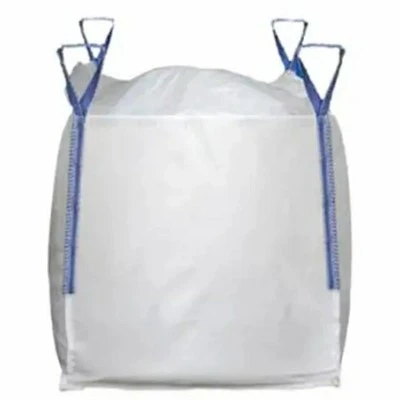
Don’t wait until a faulty bag causes a safety hazard or a delay in your supply chain. Connect with us to chat through your specific needs, whether you need one-trip bags for a single job or reusable ones for daily operations. We’ll make sure you get the right product, with a lifespan that fits your workflow.
Bulk Bag References:
National Fire Protection Association (NFPA) 77: Recommended Practice on Static Electricity
Occupational Safety and Health Administration (OSHA) 29 CFR 1910.94: Ventilation for Industrial Plants
Flexible Intermediate Bulk Container (FIBC) Manufacturers Association (FIA) Guidelines for Static-Dissipative FIBCs
Heze Jinniu Plastics Co., Ltd.
As one of the most professional antistatic bulk bags manufacturers in China, we have world-leading production equipment and strong manufacturing capabilities. Please rest assured to wholesale bulk high quality antistatic bulk bags for sale here from our factory.
Address: South section of Renmin Road, Heze City, Shandong Province
E-mail: lishaobin2379@163.com
WebSite: https://www.jnbulkbags.com/
