If you’ve ever walked past a modern retail storefront with a seamless, glowing outline, or admired the soft, even backlighting in a contemporary office lobby, chances are you’ve experienced the work of a strip LED module—even if you didn’t know what to call it. As someone who’s spent the last eight years in the LED module supply business, answering this question for architects, electricians, and small business owners alike, I’ve seen how many people new to lighting design mix up strip LED modules with regular LED strips, so let’s break this down clearly, starting with the basics. LED Module
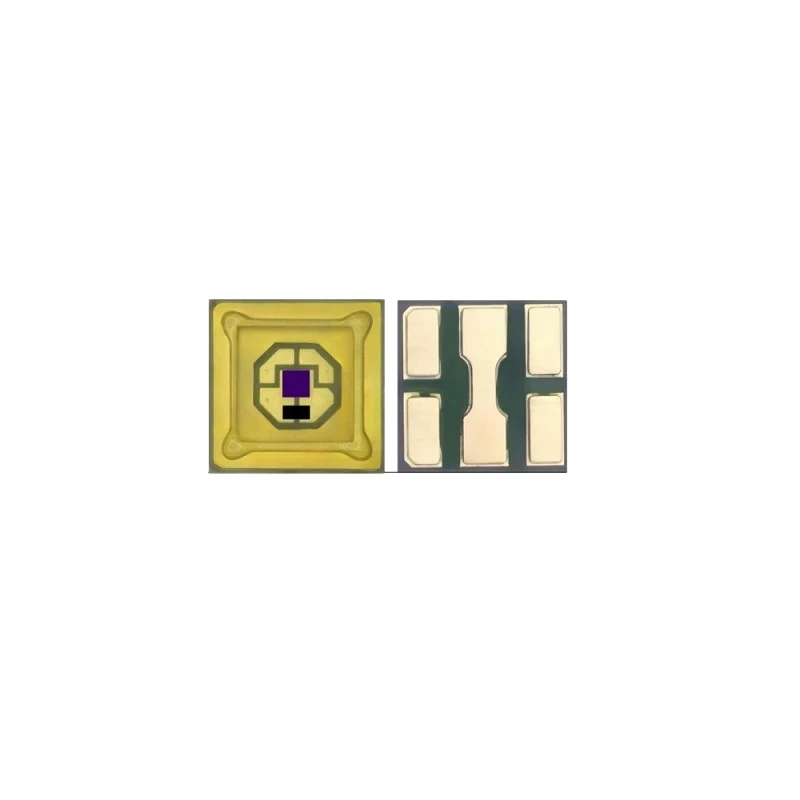
First, let’s get the core definition right: A strip LED module is a pre-assembled, self-contained unit of surface-mount (SMD) LEDs mounted on a rigid or flexible printed circuit board (PCB), paired with a built-in resistor, and often sealed in a protective coating—all designed to connect directly to low-voltage power sources, no soldering or complex wiring required. That’s the key difference from a basic bare LED strip, which is just a roll of PCB with LEDs and tiny surface resistors laid on top, meant to be cut and spliced on-site. For us as a supplier, that distinction is make-or-break: strip LED modules are built for consistent performance, durability, and standardized output, whereas bare strips are often intended for DIY or custom projects where minor inconsistencies are acceptable.
Let’s dive into the components that make a strip LED module work, because that’s where you’ll see why they’re such a versatile choice. The LED chips themselves are almost always SMD types these days—think 2835, 3014, or 5050 sizes, named for their 2.8×3.5mm, 3×1.4mm, and 5x5mm footprints, respectively. Each size has a tradeoff: smaller chips (like 3014) are great for tight spaces because they emit light evenly without taking up much room, while larger chips (5050) put out more brightness, making them ideal for high-bay signage or outdoor fixtures.
The PCB that holds these chips comes in two main forms, which is another big point of variation between strip LED modules. Rigid PCB modules are made of aluminum or fiberglass, and they’re perfect for applications that need flat, fixed installation—like under-cabinet lighting in kitchens, or accent lighting along the edge of a shelving unit. Rigid modules dissipate heat far better than flexible ones, which means the LEDs last longer even when they’re running at full brightness. Flexible PCB modules, on the other hand, are made of a thin, bendable substrate (usually polyimide) that can curve around corners, pipes, or even irregular shapes like a logo for a store. That’s why we keep both in stock at our warehouse: a client who needs under-cabinet lighting will ask for rigid 2835 modules, while a café owner wanting to wrap LED light around the curve of their menu board will go for flexible 3014 modules.
Then there’s the protective coating, or “encapsulant,” that most strip LED modules have. We offer three standard levels for our modules: clear silicone, frosted silicone, and IP67-rated waterproof silicone. Clear silicone gives you the full, unfiltered brightness of the LEDs, which is great for signage or task lighting where you don’t want to soften the light too much. Frosted silicone diffuses the light evenly, eliminating any tiny, individual “dot” of LED light, so it looks like a continuous glow—perfect for residential living rooms or office backlighting where harsh, spotty light is distracting. IP67-rated modules are completely dust-tight and can be submerged in up to a meter of water for 30 minutes, which makes them the go-to for outdoor projects: patio lighting, pool edge accents, or even parking garage walkway lighting that has to stand up to rain and snow.
Another critical component is the built-in resistor, which is why strip LED modules are so much easier to work with than bare strips. A resistor’s job is to regulate the amount of electricity going to the LED chip—if you send too much current, the LED will burn out in a matter of days; too little, and it’ll be dim and short-lived. With a basic bare LED strip, you have to calculate the exact resistor size for every cut segment, and if you mess up, you’ll have a dead strip or inconsistent brightness. Our strip LED modules come with the resistor already matched to the LED chip and power input, so a 12V rigid module will work straight out of the box once you wire it to a 12V power supply, no math required. That’s why contractors and electricians keep coming back to us—cutting down installation time means faster project completion and less time troubleshooting on-site.
Now, let’s talk about where strip LED modules are used, because that’s where you start to see their value beyond just a basic light source. For retail, it’s hard to overstate how much strip LED modules elevate store design. A clothing boutique might use rigid modules mounted under display shelves to highlight fabric textures without creating glare on shoppers’ eyes. A grocery store might line the edges of produce coolers with waterproof modules to make fruits and vegetables look fresher, with a color temperature that brings out natural reds and greens. We also supply a lot of signage companies: flexible strip modules are perfect for wrapping around channel letters, because they conform to the 3D shape, and rigid modules work for flat, paneled signs that need consistent brightness across the entire surface.
Residential applications are another big market for us. Homeowners who want to upgrade their kitchen lighting often choose under-cabinet strip modules over traditional fluorescent tubes, because they’re slim, cool to the touch, and don’t flicker. For basement or garage projects, IP65-rated modules stand up to dust and moisture way better than bare strips that can get damaged by leaks or heavy use. Even homeowners doing smart home projects work with our modules: most of our modules are compatible with standard 12V or 24V LED drivers, which integrate with Alexa, Google Home, or SmartThings, so users can dim the lights or change color temperature with a voice command.
Outdoor projects are where waterproof strip LED modules really shine. We’ve supplied modules for park trail lighting that runs along the edge of paved paths, and they hold up to extreme heat in the summer and freezing temperatures in the winter. We also do a lot of work with commercial building owners who want to add architectural lighting to their facades: strip modules mounted under roof eaves or along window sills create a clean, modern outline that makes a building stand out at night, without the cost of larger floodlights that can be obtrusive.
A common question I get from new clients is: “Why not just buy a bare LED strip instead of a module?” The answer comes down to consistency and long-term reliability. A bare LED strip might be cheaper upfront, but most of them have LEDs that aren’t pre-tested, so you might end up with a strip where one third of the LEDs are 500K warmer or cooler than the rest, creating a noticeable color band. Our strip LED modules are all tested in-house before they leave our warehouse, so every module in a batch has the same color temperature (within a 2-step MacAdam ellipse, which is the industry standard for consistent color), and the brightness is uniform across all units. That’s why a large retail chain will order 10,000 modules from us for a new store across the country—they know every module will match, no matter which store it’s installed in.
Another advantage is durability. Our rigid aluminum modules have a lifespan of up to 50,000 hours, which is more than five years of continuous use at 10 hours a day. Bare strips, especially the cheaper ones, often have PCB made of flimsy fiberglass that can warp if it gets too hot, leading to broken connections and dead LEDs. The built-in resistor in our modules also protects against power surges, which is a big issue in commercial spaces where electrical systems can fluctuate. We’ve had clients come back to us because their old bare strip installation had to be replaced every year, while our modules have lasted three years with no issues at all.
Now, if you’re someone who’s looking to purchase strip LED modules for a project, there are a few things to keep in mind to make sure you get the right ones. First, figure out your voltage: most small residential projects use 12V modules, which are safer for do-it-yourself installation, while larger commercial projects often use 24V modules because they can run longer distances without losing brightness. Second, check the IP rating: if it’s going outdoors or near water, you need at least IP65, and if it’s going to be fully submerged, go for IP67. Third, color temperature: for warm, cozy spaces, pick 2700K to 3000K (the same as incandescent bulbs), for cool, bright task lighting, go for 4000K to 5000K, and for accent lighting or colorful designs, look for RGB or RGBW modules that can change color.
As a supplier, we also offer custom options for clients with unique projects. If you need a specific length of module that’s not a standard size, or a custom color temperature that’s not in our stock, we can accommodate that for bulk orders. We work with small contractors, large design firms, and even individual homeowners who want a few modules for a DIY project, so no order is too big or too small.
At the end of the day, strip LED modules are more than just a lighting product—they’re a flexible, reliable tool that can be used in almost any setting to add light, highlight features, or create a specific mood. Whether you’re a retail owner wanting to draw customers in with attractive storefront lighting, a homeowner updating their kitchen, or a contractor working on a large architectural project, the right strip LED module can make all the difference in the quality of the final installation.
If you’re looking to purchase strip LED modules for your next project, or you have questions about which type is right for your needs, please get in touch with our sales team to discuss your requirements and receive a custom quote.
All-LED Curing References
- Lighting Facts: Understanding LED Module Specifications, U.S. Department of Energy, 2023
- LED Module Design and Application Guidelines, Illuminating Engineering Society (IES), 2022
- IP Rating Standards for Lighting Products, International Electrotechnical Commission (IEC) 60529, 2021
- Surface-Mount LED Performance and Longevity Data, LED Technology Industry Association (LED TIA), 2023
UVLEDTEK Group
As one of the most professional led module manufacturers and suppliers in China, our products have good reputation in the market. Please rest assured to buy high quality led module at competitive price from our factory. For more information, contact us now.
Address: Building C6-1, Optics Valley United Technology City, Gaoxin 3rd Road, Gedian Development Zone,Ezhou City, Hubei, China
E-mail: info@uvledtek.com
WebSite: https://www.uvledtek.com/
