If you’ve ever held a cereal box, a candy wrapper, or a shampoo bottle, you’ve held something made with a roll-to-sheet cylinder printing machine — even if you didn’t know it. Let’s cut through the jargon and break down what this machine is, how it works, and why it’s a game-changer for small to mid-sized print operations (and big brands, too). I’m not here to give you a sales pitch that sounds like a robot wrote it — I’m a supplier who works with print shops and product brands every day, so I’ll tell you what actually matters. Cylinder Printing Machine
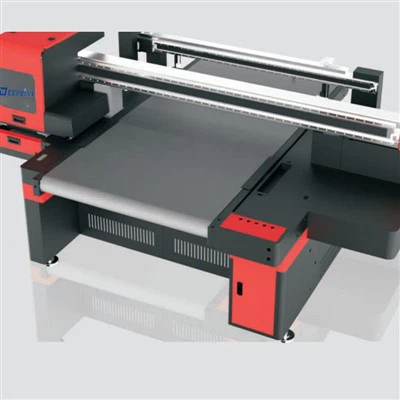
First, let’s get the basics straight. A roll-to-sheet cylinder printing machine is a type of flexographic or offset printing setup that takes flexible, continuous rolls of material (think paper, plastic film, or even thin aluminum foil) and prints on them, then cuts that big roll into flat, individual sheets right in the same run. It’s different from a roll-to-roll machine, which just turns out long uncut rolls, and different from sheet-fed machines, which start with pre-cut flat sheets. This hybrid design is why it’s such a workhorse for so many industries.
Let me walk you through how it works step by step, because once you see the process, you’ll get why it’s so useful. First, you load the raw material roll onto the machine’s unwinder unit. That’s the big stand at the back, right? The roll can be as wide as 60 inches or as narrow as 10 inches, depending on what you’re printing. The machine pulls the material forward slowly and steadily — no snags, no wrinkles, that’s key — and moves it past the printing cylinders. Those cylinders are the heart of the machine, by the way. Unlike old-school flatbed plates, cylinder printing uses round metal rollers wrapped with custom design plates (for flexo) or rubber blankets (for offset) that hold your design. Each color you need gets its own cylinder — so if you’re printing a cereal box with red, blue, yellow, and black, you’ll have four separate cylinders, lined up in the right order.
As the material passes each cylinder, that cylinder transfers ink onto it. The machine has a separate ink system for each color, so the ink doesn’t mix or smudge mid-run. After printing, the material goes through a drying unit — usually hot air or UV light, depending on the ink type — so the ink is fully set before it reaches the cutter. Then comes the roll-to-sheet part: a rotary slitter-cutter unit at the end spins fast to cut the long printed roll into uniform, flat sheets. You can set the cutter to any size, from a small postcard to a full-sized cardboard box blank. The machine even stacks the cut sheets neatly at the output, so your team doesn’t have to handle them one by one.
Now, why would a print shop pick this over other printing machines? Let’s talk about the upsides first, because that’s the stuff that actually moves the needle for your business. For one, it’s way more cost-effective for jobs that need flexible material. If you printed plastic candy wrappers, a roll-to-sheet machine lets you use a lightweight, cheap roll of film instead of rigid cardboard — so your materials cost goes down, and you can still cut them into sheets for packaging lines. It’s also faster than sheet-fed for small to medium runs. A roll-to-sheet machine can print up to 1500 feet per minute (that’s like 10 miles an hour, fyi) vs. sheet-fed’s 500 feet per minute. For a job that needs 10,000 sheets, that cuts a whole shift off your production time.
Another big plus: less waste. When you start with a roll, you can load a big roll without wasting space, and the cutter is precise, so almost every inch of the material is usable. With sheet-fed, you have to handle pre-cut sheets, which often get damaged or misaligned, leading to 5-10% waste. We usually hear from customers that their waste drops by half when they switch to a roll-to-sheet cylinder machine. Also, you can switch between jobs quickly — change the cylinder plates, adjust the cutter size, and you’re ready to print the next design in 15 minutes or less. No waiting hours to reconfigure a flatbed setup.
Wait, but let’s be real — it’s not perfect. Like any machine, it has limits. If you need super high-resolution prints (think fine art or premium packaging with tiny text), a roll-to-sheet might not beat a digital press. The cylinders can only hold so much detail, so if your design has 1pt font or gradients that fade seamlessly, you might need offset digital instead. Also, it’s a big machine — you need enough floor space to fit the unwinder, printing section, and cutter. If you’re a tiny print shop with a 10×10 space, this probably isn’t for you. But for most operations that do product packaging, labels, or book covers, it’s the sweet spot.
Let me give you a real example to make this concrete. Last year, a customer of mine was a small candy brand making custom wrappers for a new line of chocolate bars. They were using a sheet-fed machine that printed on flat paper, then had to feed each wrapper into a separate machine to roll and seal it. That process took two steps, wasted a ton of paper, and their lead time was 2 weeks per order. We sold them a mid-sized roll-to-sheet cylinder machine. Now, they load a roll of food-grade plastic film, print their design in 4 colors, cut it into pre-sized wrapper sheets, and off they go — one run, no extra steps. Their lead time dropped to 3 days, their material costs went down 18%, and they even took on a new client because they could turnaround jobs faster. That’s the kind of win this machine delivers.
Now, as a supplier, I can tell you that the biggest mistake people make when shopping for one is not thinking about their specific needs. A lot of shops see a big roll-to-sheet machine and think “more is better,” but if you only print small label rolls, you don’t need a 60-inch wide model. Here’s what you should consider when you’re looking: first, what material will you use? If it’s thin plastic, you need a machine with a gentle unwinder to avoid stretching the material. If it’s thick cardboard, you need a stronger cylinder pressure system. Second, what size sheets do you cut? If you make postcards, a 12-inch cutter is enough, but if you make shipping boxes, you need a 30-inch or bigger. Third, how fast do you need to run? A 1000 feet per minute machine is fine for low-volume jobs, but if you’re doing 100,000 sheets a month, you need the 1500 FPM model.
Also, don’t sleep on the after-sales support. A printing machine is only as good as the people who fix it when it breaks. We’ve had customers who bought cheap machines from overseas that broke down after 6 months, and they were stuck waiting 2 weeks for a replacement part. We offer 24/7 support, free training for your team, and a 1-year parts warranty — that’s the stuff that keeps your business running, not just the machine itself.
Let’s clear up a common mix-up too: roll-to-sheet vs. roll-to-roll. People always ask me, “Why would I cut it if I’m going to use it later?” The answer is packaging. Most brands don’t buy uncut rolls of wrappers — they buy pre-cut sheets that fit their packaging machines. If you’re a brand that has an in-house packaging line, you need cut sheets. If you’re just storing rolls to print later, roll-to-roll is fine. But roll-to-sheet is the bridge between printing and packaging, which is why it’s so popular in consumer goods.
Another use case: book printing. Small publishers often use roll-to-sheet machines to print book covers. You can print the cover design, cut it to the exact size of the book, and feed it right into the binding machine. No extra cutting steps, no misalignment between the cover and the pages. It’s way more efficient than printing covers on flat sheets.
Now, if you’re reading this, you’re probably someone who’s tired of slow lead times, high material costs, or inconsistent print quality. A roll-to-sheet cylinder printing machine isn’t just a piece of equipment — it’s a way to streamline your whole process. I’ve seen print shops grow from 5 employees to 20 because they invested in one, and brands go from local only to national because they could meet demand faster.
But here’s the thing: this isn’t a one-size-fits-all purchase. If you’re still not sure, the best thing to do is reach out, tell us what you’re currently printing, your monthly volume, and your biggest pain points (is it waste? lead time? quality?). We can walk you through the right size machine, show you a test print of your design, and even give you a quote that fits your budget. No pressure, no sales jargon, just real advice from someone who’s been in the industry for years.

At the end of the day, the goal of any printing machine is to make your life easier, not harder. A roll-to-sheet cylinder printing machine does that by cutting steps, reducing waste, and letting you print what you need, how you need it, when you need it. If that sounds like something your business could use, don’t hesitate to connect for a procurement and consultation discussion — we’re here to help you find the right fit, not just sell you the biggest machine on the lot.
Cylindrical UV Printer And for anyone who wants to dive deeper into the tech side, here are the references I used to make sure I got all the details right: industry guides on flexographic and offset roll-to-sheet printing, packaging manufacturing efficiency studies, and our own years of working with print operations across the globe.
- National Printing Industries Association. (2022). Flexographic Printing Technology for Flexible Packaging.
- Packaging Digest. (2023). Hybrid Printing Solutions for Small to Mid-Sized Brands.
- Global Print Machinery Report. (2021). Efficiency Metrics for Roll-to-Sheet Converting Equipment.
Shenzhen Deeprint Technology Co., Ltd.
As one of the most professional cylinder printing machine manufacturers and suppliers in China, we’re featured by quality products and good service. Please rest assured to buy customized cylinder printing machine made in China here from our factory. Contact us for free sample.
Address: 6-1, Huangwu Road, Tongle Community, Baolong Street, Longgang District, Shenzhen City 518100, China.
E-mail: ellen@uvdprint.com
WebSite: https://www.uvd-print.com/
