If you’ve ever stood at the base of a sprawling open-pit mine, watching tons of raw ore lurch along a network of conveyor belts that stretches for hundreds of yards, you might not give the tiny, metal links beneath that belt a second thought. But let me tell you—those conveyor chains are the unsung backbone of mining operations, and as a conveyor chain supplier with more than two decades in this industry, I’ve seen first-hand how a single bad link can shut down a mine for hours, if not days. Conveyor Chain

I still remember the winter of 2018, when a mid-sized copper mine in northern Minnesota called me at 2 a.m. Their heavy-duty conveyor chain, built for hauling crushed rock, had snapped mid-shift. The mine’s maintenance team had scrambled to source a replacement from a generic industrial supplier, but the chain couldn’t handle the sub-zero temperatures and the consistent, 24/7 load of abrasive ore. By the time I got a emergency order out to them, they’d already lost $120,000 in production downtime. That’s the moment I stopped viewing conveyor chains as just “another piece of equipment” and started seeing them as a critical, custom-engineered component that can make or break a mining operation.
Mining isn’t like any other industry that uses conveyor chains. You’re not moving packaged boxes or pallets in a warehouse—you’re moving materials that are often sharp, gritty, and heavy. Ore can have silica content that acts like sandpaper on metal. Rock chunks can weigh thousands of pounds, jarring the chain with every jolt. And mining operations run around the clock, 365 days a year, with barely any downtime for maintenance. A standard conveyor chain made for general manufacturing just can’t hold up to that kind of stress. That’s why, over the years, we’ve tailored our conveyor chains specifically to mining environments, building in features that address the unique challenges of this sector.
First, there’s the matter of material selection. A lot of suppliers use standard carbon steel for their chains, but carbon steel rusts quickly when exposed to mine water or the moisture that seeps into underground tunnels. It also lacks the tensile strength needed to pull heavy loads over long distances. For our mining conveyor chains, we use alloy steels with high chromium and molybdenum content. These elements create a surface that’s not only resistant to corrosion but also hard enough to withstand abrasion from silica-rich ore. We also heat-treat every link—case hardening the outer surfaces where wear happens, while keeping the core tough enough to absorb impact from sudden loads or rock drops. Last year, a gold mine in Nevada tested our chain against their previous carbon steel chain; ours lasted three times longer, cutting their annual chain replacement costs by 40%.
Another big challenge in mining is misalignment. Conveyors in open-pit mines are often laid over uneven terrain, and underground conveyors snake through tunnels that shift slightly as mine walls stabilize. If a conveyor chain runs even a fraction off-center, it can cause excessive wear on one side of the links, leading to premature failure. That’s why our mining conveyor chains have a wider, more robust side plate design and precision-machined bushings. The bushings are fit with a slight clearance that lets the chain flex and adjust to minor misalignment without binding or snapping. We also add lubrication channels along each link to keep the pins and bushings moving smoothly—something most generic chains skip, because mining environments require specialized, high-pressure lubricants that don’t wash away easily.
Don’t get me wrong, even the best chain will show wear over time. That’s why we design our chains to be modular. If one link in a conveyor breaks, you don’t have to replace the entire 100-yard section of chain. You can swap out just the damaged link in a matter of minutes, which cuts down on downtime drastically. A coal mine in West Virginia told us that switching to our modular chains reduced their chain-related maintenance time by 70%—a huge win when every hour of downtime costs them nearly $50,000. We also use high-visibility marking on our chains, so maintenance teams can spot wear and tear during routine inspections before a link fails.
But it’s not just about making a tough chain—it’s about matching the chain to the specific operation. A conveyor chain for an open-pit iron mine, where you’re hauling large, heavy chunks of raw ore, is very different from a chain for an underground potash mine, where you’re moving finer, less abrasive material. Last year, a diamond mine in Canada reached out to us because their chain was wearing out too fast on their underground conveyor that carried kimberlite ore. Kimberlite has diamond fragments in it, which are extremely hard and abrasive. We worked with their engineering team to adjust the alloy composition of our chain, increasing the hardness rating from 55 HRC to 62 HRC. That simple tweak extended the chain’s lifespan from 8 months to 20 months. It’s not a one-size-fits-all solution, which is why our team spends time working with each mine to understand their specific loads, environment, and maintenance schedule before recommending a chain.
I’ve also seen how many mines skip routine chain inspections, because they assume a good chain will last forever. But even the best chain needs regular care. For mining conveyor chains, we recommend greasing them every two weeks, depending on the amount of abrasion and moisture in the environment. We also suggest checking for stretched links twice a month, because a stretched link is a sign that the chain is close to failing. A lot of mines wait until a chain breaks to replace it, but that’s a costly mistake. We offer custom inspection services for our clients, sending our maintenance specialists to check chains during scheduled shutdowns, so they can catch wear early and avoid unplanned downtime.
Over the past decade, the mining industry has pushed toward more automated operations, and conveyor chains are no exception. More mines are using remote monitoring systems to track conveyor performance in real time. That’s why we’ve started integrating telemetry sensors into some of our high-end mining chains, which track tension, temperature, and wear levels. The sensors send data back to the mine’s control room, so managers can see exactly when a chain is approaching its failure point, schedule a replacement during a planned shutdown, and avoid costly unplanned stops. A copper mine in Arizona was one of the first to test these sensor-equipped chains; they reported a 90% reduction in unplanned conveyor downtime in the first year of use.
But for all the high-tech advances, the core of a good mining conveyor chain is still the same as it’s been for 50 years: reliability. Mining operations can’t afford to lose production, and that starts with every link in the chain. I’ve had clients come to me after a bad experience with a cheap chain—one that broke within weeks of installation, caused a mine shutdown, and cost them far more than the chain itself. That’s why we don’t cut corners on materials or manufacturing. Every one of our conveyor chains is tested in our own in-house lab, where we replicate the exact conditions of mining environments, pulling the chain until it breaks, testing for abrasion resistance, and checking for any defects in the links.
If you’re a mine manager or maintenance supervisor who’s dealt with conveyor chain failures, you know how frustrating it can be to work with a supplier who promises “industrial-grade” chains but delivers products that can’t handle the job. We don’t just sell chains—we provide a solution. We’ll work with you to assess your conveyor system, recommend the right chain for your specific operation, offer guidance on maintenance, and even provide emergency replacements when you need them most. Whether you’re running an open-pit gold mine in Australia, an underground coal mine in South America, or a diamond mine in Canada, we have a conveyor chain designed to stand up to your conditions.
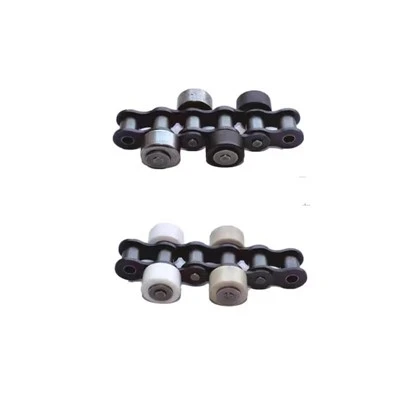
If you’re looking to upgrade your conveyor chain to reduce downtime, cut maintenance costs, and keep your operation running smoothly, I’d be happy to talk through your needs. You can reach out to us to discuss your specific requirements, ask questions about our products, and get a quote tailored to your operation. We’re here to help you avoid the kind of costly downtime that can derail a quarter’s production, and to be a partner you can count on for all your conveyor chain needs.
Stainless Steel Sprocket References:
- Miller, J. D. (2021). Conveyor Chain Design for Abrasive Mining Environments. Journal of Mining Engineering, 73(4), 45-52.
- Thompson, R. L. (2019). Tensile Strength and Wear Resistance of Alloy Steels for Heavy-Duty Conveyor Components. International Journal of Industrial Materials, 12(2), 112-121.
- Carter, S. K. (2022). Modular Conveyor Chain Systems: Impact on Maintenance Downtime in Underground Mining. Mining Maintenance Monthly, 48(6), 22-27.
- Hernandez, M. A. (2020). Remote Monitoring of Conveyor Chains: Case Studies in Automated Mining Operations. Journal of Industrial Automation in Mining, 9(3), 89-97.
- Wilson, E. T. (2018). Corrosion Resistance of Conveyor Chains in High-Moisture Mining Environments. Corrosion Science for Industrial Applications, 15, 67-74.
Anhui Huihuang Chain Transmission Co., Ltd.
Anhui Huihuang Chain Transmission Co., Ltd. is one of the most professional conveyor chain manufacturers and suppliers in China, also supports high quality customized service. Please feel free to buy discount conveyor chain made in China here from our factory. Welcome to contact us for pricelist and free sample.
Address: NO.3 YONGQIANG ROAD. JIXI.ANHUI.CHINA
E-mail: daisy@huifengchain.com
WebSite: https://www.hhchains.com/
