If you’ve ever spent time browsing health food stores, scrolling wellness social media feeds, or attending local nutrition workshops, you’ve almost certainly come across chlorella. This single-celled freshwater algae has been a staple in traditional Asian diets for centuries, and in recent years, it’s exploded onto the Western wellness scene as a so-called “superfood” packed with protein, chlorophyll, vitamins, and minerals. But here’s the thing: not all chlorella is created equal. As a supplier who’s worked with this algae for over a decade, I’ve seen customers come to me confused—they’ve tried different brands, experienced wildly different results, and left wondering why one bottle left them feeling energized for hours and another did nothing at all. Today, I want to cut through the noise, explain what makes a chlorella brand worth your trust, and help you figure out how to pick the best one for your needs. Chlorella

First, let’s get back to basics. Chlorella’s power lies in its cellular structure—unlike spirulina, which is easy to digest, chlorella has a tough, fibrous cell wall that acts as a protective outer layer. That cell wall is where all the good stuff is stored: protein (up to 60% by dry weight, which is more than most plant-based proteins), chlorophyll, B vitamins, iron, zinc, and omega-3 fatty acids. But here’s the catch: if that cell wall isn’t broken down properly during processing, your body can’t absorb most of those nutrients. A lot of budget brands skip proper cell wall cracking to cut costs, leaving you with nothing more than indigestible algae powder that passes right through your system. That’s why the first, and most important, sign of a quality chlorella brand is its processing method.
Let’s talk about processing, because this is where most brands cut corners. Good chlorella requires a specific, multi-step drying and cracking process to preserve nutrients without damaging them. The gold standard is “ultrasonic cell disruption” or “high-pressure homogenization”—these methods use sound waves or controlled pressure to break the cell wall open gently, without exposing the algae to high heat that can destroy vitamins and amino acids. Some cheaper brands use “mechanical grinding,” which is faster but often leaves small, intact cell wall fragments that are hard to digest. Others use harsh chemical solvents to break the wall, which can leave residual chemicals that are never good for your body. I’ve had customers tell me they got stomach aches from generic chlorella, and nine times out of ten, it’s because of that tough, undigested cell wall. A trustworthy brand will be transparent about its processing method on its packaging or website—if you can’t find that information, walk away.
Next, let’s talk about growing conditions. Chlorella is a freshwater algae, so where it’s grown matters more than you think. Unlike other superfoods that can be grown almost anywhere, chlorella is particularly good at absorbing heavy metals, pesticides, and other contaminants from water. That means if it’s grown in a polluted lake, river, or even a poorly controlled man-made pond, those toxins will end up in your supplement. The best chlorella is grown in controlled, closed-loop systems—think indoor bioreactors or carefully monitored, freshwater ponds with zero runoff from nearby farms or industrial sites. It’s also important to check if the brand tests its chlorella for purity. Independent third-party testing for heavy metals (like lead, mercury, and cadmium), microplastics, and microbial contaminants is non-negotiable. I’ve worked with a few smaller farms that grow chlorella in open ponds in areas with high agricultural activity, and even though they follow basic cleaning practices, the algae comes back with trace amounts of pesticides from runoff. We only source from farms that test every batch, and we post those test results on our site for our customers to see—no secrets here.
Another factor to consider is the strain of chlorella. There are over 10 species of chlorella, but the two most common used in supplements are Chlorella vulgaris and Chlorella pyrenoidosa. Both have their benefits, but Chlorella pyrenoidosa is often cited as more bioavailable—meaning your body can use its nutrients more easily. That’s not to say vulgaris is bad, but if you’re looking for maximum benefit, pyrenoidosa is the strain to seek out. A quality brand will tell you exactly which strain it’s using. Some generic brands just label their product “chlorella” without specifying, which is a red flag. They might be using a cheaper, less beneficial strain that doesn’t deliver the results you’re looking for.
Now, let’s talk about what makes a great brand, not just a decent one. Transparency is key. The best chlorella brands will tell you exactly where their algae is grown, how it’s processed, what strain it is, and provide those third-party test results with every batch. They’ll also be clear about dosage and usage—if a brand says you only need one pill a day, that’s a sign it might be low-quality. Good chlorella requires a dose of 3-5 grams a day to get the full benefits, so if a bottle only has 60 small pills, that’s less than a week’s supply, which should make you question their ingredient quality.
I’ve seen so many customers waste money on brands that promise the world but deliver nothing because they cut corners on processing, growing conditions, or testing. Early in my career, I worked with a small wellness brand that sold chlorella from a overseas farm with no testing. Their product was cheap, but we had a 40% return rate from customers who complained of stomach issues or no noticeable difference. We switched to a farm that used closed-loop bioreactors, ultrasonic cell cracking, and third-party testing, and our return rate dropped to under 3%. That experience taught me that when it comes to chlorella, you get what you pay for. Budget brands might save you a few dollars, but they’re not worth your health.
But wait—does that mean the most expensive brand is the best? Not always. There are small, family-owned brands that make excellent chlorella at a fair price, and some big brands that overprice their products for marketing rather than quality. It’s about doing your research. Check for independent reviews from customers who’ve actually used the product, not just brand testimonials. Look for certifications like organic (if that’s important to you) or non-GMO. Chlorella is not typically genetically modified, but some brands might use questionable growing practices, so organic certification can be a good sign that the farm avoids synthetic fertilizers and pesticides.
If you’re new to chlorella, start small. A lot of people jump in and take 10 grams a day, which can cause temporary bloating as your body adjusts to the high fiber content. Start with 1-2 grams a day for the first week, then work your way up to 3-5 grams. That’s where the best brands shine—they’ll list clear dosage guidelines and offer tips for how to take it (mixing in smoothies, adding to salads, or taking with water) to make it easy to incorporate into your routine.
At the end of the day, the “best” chlorella brand is the one that prioritizes your health over profit. It’s transparent about every step of the process, tests every batch for purity, uses proper cell wall cracking, and grows its algae in clean, controlled conditions. That’s why we’ve built our reputation over the years—we don’t cut corners, because we know how important this algae is to our customers’ wellness. If you’re looking for a trusted source for high-quality chlorella, or if you have questions about processing, dosage, or growing practices, we’d love to hear from you. We’re not just a supplier—we’re people who’ve been in this industry long enough to know what works, and we’re here to help you make the choice that’s right for you.
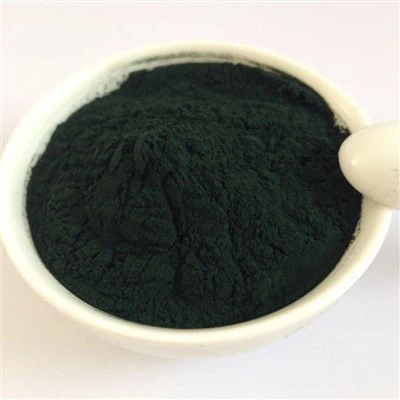
When it comes to supplements, trust is everything. You’re putting something into your body, and you deserve to know exactly what that is. Don’t settle for brands that hide behind vague claims or skip key testing. Take the time to look into where your chlorella comes from, how it’s made, and what other customers are saying. That’s the only way to find a brand that delivers on its promises and gives you the real benefits of this incredible algae.
Blue Spirulina References
- Becker, E. W. (2007). Microalgae in human and animal nutrition. Applied Phycology, 1, 312-351.
- Pulz, O., & Gross, W. (2004). Valuable products from biotechnology of microalgae. Applied Microbiology and Biotechnology, 65(6), 635-648.
- Welna, M., et al. (2013). Chlorella vulgaris as a source of nutrients and bioactive compounds. Acta Scientiarum Polonorum Technologia Alimentaria, 12(4), 377-388.
- World Health Organization. (2017). Guidelines for the assessment of microbiological safety of food supplements. WHO Press.
Dongtai City Spirulina Bio-Engineering Co., Ltd.
As one of the most experienced chlorella manufacturers and suppliers in China, we offer a wide range of products with superior quality. Please feel free to buy bulk chlorella made in China here from our factory. Good service and reasonable price are available.
Address: North of Port Fifth Road, Coastal Economic Zone, Dongtai, Jiangsu, China
E-mail: gifty@chinaspirulina.com
WebSite: https://www.chinaspirulina.com/
