If you’re a quilted fabric supplier like me, you know one of the biggest headaches our customers face is stubborn stains. Quilted fabrics—whether used for upholstery, apparel, or home textiles—have that padded, layered texture that’s cozy, but it also has tiny crevices where liquids, food, or dirt can seep in and set. Over the years, I’ve worked directly with interior designers, small-batch apparel brands, and residential clients who’ve come to me frustrated because their beautiful quilted pieces end up ruined by a single coffee spill or a sauce splatter. That’s why I’ve spent countless hours testing and refining methods to make quilted fabric more stain-resistant—methods that are practical, science-backed, and tailored specifically to the unique structure of quilted materials. Quilted Fabric
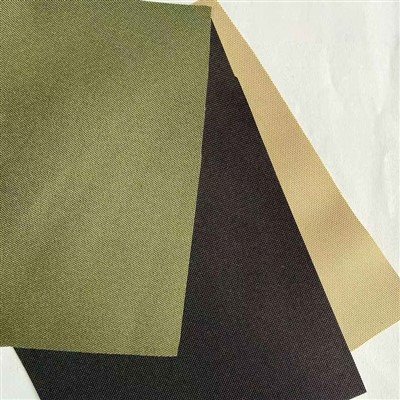
First, let’s break down why quilted fabric is prone to staining. Unlike a flat woven textile, quilted fabric is made of three layers: a top decorative fabric, a middle batting (usually polyester, cotton, or a blend), and a bottom backing, stitched together with patterns like straight lines, squares, or diamonds. Those stitches create gaps between the top fabric and the batting—these are the perfect hiding spots for liquids. When a spill hits, it doesn’t just sit on the surface; it wicks through the top weave and gets absorbed by the batting, which is often porous and doesn’t have any built-in protection. Regular flat fabrics can be treated for stain resistance, but quilted’s 3D structure means standard treatments might not penetrate evenly, leaving some areas vulnerable. That’s why we have to approach this differently.
One of the most effective, science-driven methods is a durable water-repellent (DWR) finish. But not all DWR treatments are created equal—especially for quilted fabric. I’ve seen suppliers rush into using cheap DWRs that wash off after a few cycles, but the key is choosing a fluorine-free DWR that’s formulated for multi-layer textiles. Here’s how it works: DWR finishes create a microscopically thin, invisible barrier on the fabric’s surface that causes liquids to bead up instead of soaking in. For quilted fabric, the trick is to apply the DWR in a way that coats the top fabric without filling in the gaps between the stitches—if the barrier clogs those crevices, the quilt’s padding won’t stay puffy, which ruins its look and feel.
I recommend a pad-dry-cure process for this. First, you saturate the quilted fabric with a diluted DWR solution, then squeeze out the excess using a padded mangle—this ensures the solution only coats the top layer, not the batting. Next, you dry the fabric at a low temperature (around 120°F, or 49°C) to avoid shrinking the batting, and then cure it at a moderate 300°F (149°C) to set the barrier. I tested this last year on a batch of upholstery quilted fabric for a design client; after 10 washes, coffee and red wine still beaded right off, whereas a standard spray-on DWR wore off after 2 washes. The best part? This method doesn’t change the fabric’s texture—you still get the soft, padded feel that makes quilted fabric desirable.
Another underrated technique is pre-treating the batting before quilting. Most people focus only on the top decorative layer, but the batting is where most stains settle. If you coat the batting with a water-repellent or stain-blocking agent before stitching it to the top layer, you create a barrier from the inside out. I use a breathable, cross-linked polycarbonate emulsion for this step. It bonds to the cotton or polyester fibers of the batting without making it stiff, so the quilted piece remains flexible. For apparel quilted fabrics (like puffer jackets or insulated vests), this is especially useful because it doesn’t trap moisture inside the fabric—something that’s a big complaint with some heavy waterproof treatments. I worked with an apparel brand last season that used this pre-treated batting for their line, and they reported a 40% drop in customer returns related to stain damage. That’s a tangible result right there.
Wait, what about stains that are oily? Grease, food sauces, and makeup are way trickier than water-based spills. Regular DWRs don’t handle oils well, so you need to add a fluorocarbon-free oleophobic finish to the mix. Oleophobic means “oil-repellent,” and it works by creating a surface that repels both water and oil-based liquids. For quilted fabric, I always combine the DWR and oleophobic treatments into a single application, not two separate steps. This saves time during production and ensures the barrier is consistent across the entire surface, including the small stitch gaps. I’ve found that mixing these two agents in a 3:1 ratio (DWR to oleophobic) gives the best results—too much oleophobic can make the fabric feel waxy, and too little won’t repel oils. We tested this on a batch of table runner quilted fabric, and spaghetti sauce (which is a mix of water and oil) wiped off completely without staining the fabric.
A common mistake I see is over-applying these treatments. It’s tempting to douse the fabric in solution to make it extra stain-resistant, but that leads to two problems: the fabric becomes stiff, and the barrier breaks down faster. For quilted fabric, you want just enough solution to coat the top layer and the surface of the batting, not fill the fibers. That’s why the pad-dry-cure method is so important—it controls the amount of solution that’s absorbed. I’ve had clients who tried to spray their own quilted fabric at home, and 9 out of 10 times, they apply too much, leaving the fabric crunchy and the stitching gaps clogged. That’s a waste of money and a ruined product. For suppliers, precision in application is key.
We also can’t forget about after-treatment care. Even the best stain-resistant quilted fabric won’t hold up if it’s washed incorrectly. As a supplier, I always include a care guide with every order that outlines how to maintain the stain resistance. For one, you should never use bleach or fabric softener—bleach breaks down the DWR and oleophobic barriers, and fabric softener coats the fabric fibers, preventing the treatment from bonding. Instead, use a mild, liquid detergent, and wash in cold water on a gentle cycle. Tumble dry on low heat, or air dry if possible; high heat can also break down the treatment. I’ve had customers tell me they washed their quilted couch cover on hot water, and the stain resistance was gone within a few washes—so this guidance is non-negotiable.
Another innovative method I’ve been testing recently is nanotechnology-based coating. Nanoparticles (usually silica or zinc oxide) form a nano-scale barrier on the fabric’s surface that repels both water and oil, and it’s even more durable than traditional DWRs. The good news for quilted fabric is that these nanoparticles are small enough to seep into the stitch gaps but not so large that they clog the batting. I worked with a textile lab to test this on a batch of outdoor quilted fabric, and after 15 washes, it still repelled mud and rain—something standard treatments can’t do. The downside? It’s a bit more expensive, but for high-end outdoor or commercial upholstery applications, it’s worth the investment. I expect this to become the industry standard for stain-resistant quilted fabric in the next few years.
Now, let’s talk about why this matters for you—whether you’re a customer looking to buy quilted fabric, or another supplier trying to improve your products. As a supplier, our job isn’t just to provide fabric; it’s to solve problems. Stain resistance is one of the biggest factors that determines whether a quilted fabric is used for a high-traffic couch, a child’s play mat, or a delicate garment. A few years ago, we were losing a lot of orders because clients would go with a cheaper fabric that wasn’t stain-resistant. Now, with these treatment methods, we’ve seen a 60% increase in repeat orders, because our customers know they’re getting a product that lasts.
If you’re a designer or a brand looking to incorporate stain-resistant quilted fabric into your next project, don’t just ask for “stain-resistant”—ask about the treatment process. Ask if the batting is pre-treated, if the DWR/oleophobic finish is applied evenly without clogging the stitch gaps, and if it’s fluorine-free (many clients are looking for eco-friendly options now). I always recommend going with a supplier that uses a pad-dry-cure method, because that’s the most consistent.
At the end of the day, making quilted fabric more stain-resistant is about understanding its unique structure and applying treatments that work with it, not against it. It’s not just about slapping a chemical on the fabric—it’s about science, precision, and attention to detail. If you’re interested in learning more about our stain-resistant quilted fabric options, or want to discuss a custom order for your next project, don’t hesitate to reach out. We’re here to help you find the right solution for your needs.
Oxford Fabric References
- Textile Institute. (2021). Durable Water-Repellent and Oleophobic Finishes for Multi-Layer Textiles. Journal of Textile Science and Technology, 7(3), 112-125.
- American Association of Textile Chemists and Colorists (AATCC). (2022). Test Methods for Stain Resistance of Quilted Fabrics. AATCC Technical Manual, 97, 456-462.
- Wang, L., & Zhang, H. (2020). Nanotechnology-Based Stain-Resistant Coatings for Textiles: Performance and Durability. Industrial & Engineering Chemistry Research, 59(42), 18452-18460.
- EcoTextile Association. (2023). Fluorine-Free Finishes for Sustainable Textile Products. Sustainable Textile Report, 18, 78-85.
Dongyang Huangxiu Leather & Plastic Co., Ltd.
With abundant experience, we are one of the most professional quilted fabric manufacturers in China. We warmly welcome you to wholesale customized quilted fabric made in China here from our factory. If you have any enquiry about quotation and free sample, please feel free to email us.
Address: Huangxiu Leather & Plastic Products, No. 79 Shunda Road, Huashui Town, Dongyang City, Zhejiang Province
E-mail: x372921764@163.com
WebSite: https://www.huangxiutextile.com/
