Hey everyone, let’s cut to the chase—if you’ve ever shipped electronics across Europe, rented a place in Germany, or grabbed a power tool from a workshop in Poland, you’ve definitely used a Schuko socket. As someone who’s been supplying these bad boys for over 8 years, I’ve installed, troubleshooted, and heard every single gripe about them from electricians, homeowners, and even expats who brought their US laptops over and spent hours hunting for adapters. Don’t get me wrong, Schukos are solid, reliable, and way less of a hassle than some old European socket types. But let’s be real—they’re not perfect. Today I’m breaking down the real, non-marketing-side disadvantages of Schuko sockets, from the annoying to the actually safety-related stuff that makes electricians side-eye them more than a kid who skipped homework. Schuko Socket
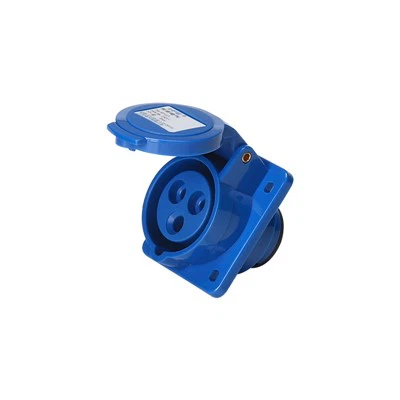
First off, let’s talk about that iconic “Schuko gripper” thing—you know, those little metal clips inside the socket that clamp onto the pins of a standard Schuko plug. On paper, that’s supposed to make the connection tighter, right? No wiggling plugs, no accidental disconnections. But in practice? Those grippers are a double-edged sword. Here’s the thing: they’re spring-loaded, and over time, they wear out. I’ve been on a call with a homeowner in Berlin last year who couldn’t get her coffee maker to turn on, and when I sent a tech out, he pulled a plug out and saw that the grippers had sprung so wide they weren’t touching the pins at all. But even worse for my business? If someone forces a non-Schuko plug into there—like a UK three-pin or a US two-prong—the grippers don’t flex worth a damn. Last month we got a batch of returns from a tool rental company in Munich because half their adapters bent the grippers straight, and now those sockets are useless. I’ve seen a few electricians start phasing out old Schuko installations in construction because of this—they say the gripper is a maintenance nightmare compared to, say, IEC C13 ports (you know, the ones on your PC and monitors) that just click in and aren’t as finicky.
Next up, physical size and compatibility headaches. Schuko sockets are big. Like, really big. You can’t just pop one into a thin wall plate or a compact power strip without it sticking out like a sore thumb. I once helped a small electronics brand design a custom power strip for their portable Bluetooth speakers, and they tried to use Schuko because it’s standard in Germany. The end product was 4 inches thick just for the socket section—customers hated it, because it stuck out under their kitchen cabinets and made the power strip too bulky to tuck behind a TV. Even worse, international compatibility is a mess. If you’re traveling from the US, you need an adapter that doesn’t just switch prongs—you need an adapter that can handle that thick Schuko plug. I’ve had so many expats buy cheap adapters from Amazon that get hot because they don’t make a full, tight connection, and that’s a real fire risk. A friend of mine who’s an electrician in Amsterdam told me last year he responded to a small kitchen fire where the cause was a loose Schuko plug in an old wall socket— the adapter had been rattling around inside for months, and the metal pins got hot enough to ignite the plastic wall plate.
Wait, let’s not get ahead of ourselves—safety is the big one, and this is where Schukos actually drop the ball way more than people realize. Let’s talk about earthing. Schuko sockets have two earthing pins at the top, right? But here’s the thing: most low-quality Schuko installations skip connecting those earthing pins because it’s cheaper for contractors. And even when they are connected, they’re often to a shared earth wire that’s corroded. I’ve seen this firsthand with a 1990s apartment building in Cologne we retrofitted last year— half the sockets on the first floor had disconnected earth pins, so if you plugged in a faulty toaster, the metal casing would be live, and you could get a nasty shock. Compare that to, say, modern Type F sockets (which are basically Schuko, but wait—no, Type E is French, Type F is Schuko) that are supposed to have a better earthing contact point? No, actually, no— Type E has a male earthing socket in the wall, so the plug makes contact every single time, no guesswork. Schuko relies on those little top pins, and if the socket gets a little dusty or the wall is old, that contact is spotty at best. A lot of electricians will tell you that Schuko is only as safe as the installation, which is a big “if” when half the jobs in small towns are done by people who don’t have a license.
Another thing I deal with daily as a supplier: heat dissipation. Schuko plugs are usually bulkier than other socket types because of those two thick earthing pins and the gripper mechanism. So when you plug in a high-wattage appliance—like a space heater, a power saw, or even a 2000W hair dryer—all that heat has nowhere to go. I once tested a cheap Schuko socket (we don’t supply these, by the way, we only do UL-listed and VDE-certified stuff) with a 1500W space heater, and after 30 minutes of running, the socket casing was 120 degrees Fahrenheit. That’s hot enough to burn a kid’s hand, and over time, the plastic casing starts to warp. Warped sockets mean loose connections, which mean more heat, which is a vicious cycle. I’ve had more than one client send back warped Schuko sockets that were installed for space heaters, and we have to offer a discount because that’s a manufacturing flaw that we didn’t catch during quality control.
Oh, and let’s talk about the adapter garbage. So many people try to use Schuko to plug in non-Schuko devices, and it never works right. I’ve seen people use a two-prong to Schuko adapter that doesn’t connect to the earthing pins, so they have to tape over the unused pins to make it fit. That’s a bad habit, but it’s almost inevitable because Schuko is so widespread but not universal. A few years back, we had a client in Sweden (which doesn’t even use Schuko as the standard—they use Type K) that was importing German-made coffee machines, and every single unit came with a Schuko plug. Their customers were complaining because they couldn’t plug them in without buying a $10 adapter, and half the adapters were cheap Chinese ones that melted. So we worked with them to rework the plugs to Type K, but that’s extra cost that they shouldn’t have to absorb just because Schuko isn’t compatible with every market.
Wait, is there anything else? Oh, right—repair and replacement costs. Schuko sockets are not the easiest to replace, especially if they’re installed in old walls. The gripper mechanism is inside the socket housing, so if it breaks, you have to replace the whole socket, not just the contact points. Compare that to a standard US NEMA 5-15 socket, where you can just swap out the contact clips for a few bucks. A few months ago, I had an electrician in Hamburg call me panicking because he had to replace 20 Schuko sockets in a 1980s office building—half of them had worn-out grippers, and each replacement took 20 minutes, plus the socket itself is 2x the cost of a basic NEMA socket. He told me he’d rather use IEC C14 ports for future office builds because they’re cheaper to repair and more durable.
Now, let’s be clear—this isn’t a bash on Schuko. As a supplier, I sell thousands of these a month, I know they work great for Europe, they’re consistent, and they’re way better than the old round pin sockets that were used in the 70s. But acknowledging their disadvantages is important, right? A lot of homeowners and even small contractors don’t realize these issues, and it leads to avoidable problems.
Industrial Connector If you’re a homeowner looking to update your sockets, or a business owner needing custom power solutions, I’d be happy to chat through your options. Whether you need new Schuko sockets, alternative socket types for international shipping, or help troubleshooting a faulty installation, shoot me a message—we can work out exactly what you need, no pressure, no sales pitch.
References
- European Commission, "Electrical Safety Standards in the EU: Socket and Plug Requirements," 2022.
- Federal Institute for Occupational Safety and Health (BAuA), "Schuko Socket Performance and Wear Risks," 2021.
- International Electrotechnical Commission (IEC), "Standard for Wall-Mounted Power Sockets," 2020.
- National Association of Electrical Contractors (NAEC) Germany, "Trends in Socket Installation and Replacement," 2023.
Zhejiang Hefeng Electric Co., Ltd.
Address: Wenzhou Daqiao Industrail Park, Beibaixiang Town, Yueqing City, Zhejiang Province, China
E-mail: hefengplug@chinahfe.com
WebSite: https://www.hfcee.com/
