Let’s get one thing straight before we dive in: bulletproof fabric isn’t some random “invention” that popped up overnight like a viral TikTok trend. It’s the result of decades of tinkering, accidental discoveries, and a whole lot of trial and error—plus, as someone who’s been supplying top-tier bulletproof fabric for years, I’ve got the behind-the-scenes tea no textbook will tell you. Bulletproof Fabric

First off, let’s clear up a common myth. You might think some lab coat-clad genius sat down one day and invented bulletproof fabric out of thin air. Nah. The earliest seeds of the idea actually sprouted back in the 19th century, when people started wondering if they could make clothing sturdy enough to stop a bullet. Back then, they tried all kinds of wild stuff: layered silk, steel mesh, even whalebone. But let’s be real—those options sucked. Steel mesh was heavy as hell, you looked like a walking tin can, and if a bullet hit just right, it still left a nasty bruise. Silk? It could stop a small birdshot, but a regular pistol bullet? Forget about it. Those early attempts were less “bulletproof” and more “bullet-annoyed.”
The game-changer came in the 1960s, and it’s all thanks to a woman named Stephanie Kwolek. Let me tell you, this lady was a chemist working at DuPont, and she was doing research on lightweight fibers for things like tires and rope—totally unrelated to body armor, at first. One day in 1965, she pulled out a weird, strong, super lightweight synthetic fiber she’d created, called Kevlar. Wait, no—actually, she almost threw it away at first. The test samples looked cloudy, weird, not like the smooth fibers they usually made. But instead of tossing them, she decided to run a strength test just for fun. And boom—Kevlar was five times stronger than steel, ounce for ounce. That’s the stuff that changed everything.
Now, here’s where my side of the story kicks in. For a long time after Kevlar hit the market in the early 1970s, it was mostly used for things like ropes, cables, and even boat sails. No one really thought to turn it into fabric for bulletproof vests—until law enforcement and military folks started realizing they needed something lighter than steel armor. By the late 70s, manufacturers started weaving Kevlar into flexible, wearable layers instead of just solid plates. Suddenly, cops didn’t have to carry around 10-pound steel vests that made it impossible to run or bend; they had something that was actually comfortable, and could stop most handgun rounds. That’s when the modern bulletproof fabric industry really took off.
But Kevlar isn’t the only player here. Over the years, we’ve got other fibers that changed the game too. There’s Twaron, a similar aramid fiber made by a Dutch company, which’s been around since the 1970s too. Then there’s Spectra, a polyethylene fiber that’s even lighter than Kevlar and super strong—great for things like stab-resistant fabric, which is a big deal for security guards and riot gear. Now, we’re even mixing fibers: Kevlar for stopping bullets, Spectra for cuts, maybe a touch of nylon to make it more durable for everyday wear. That’s where my work comes in—supplying custom blends that work for every industry, from private security to high-end fashion (yeah, you read that right—some brands make discreet bulletproof clothing with these fabrics now).
Let me break down how bulletproof fabric actually works, because a lot of people don’t get it. It’s not like a wall that catches the bullet. When a bullet hits, the fibers spread the impact over a wide area, instead of letting all the force hit one spot. The fibers themselves are super strong, so they don’t break easily—they stretch a little, then dissipate the energy of the bullet. That’s why you layer the fabric, too: more layers mean more areas for the bullet’s energy to spread, so it doesn’t go all the way through. A single layer of Kevlar can stop a small pellet, but you need 10 or more layers for a handgun, and even more for a rifle. It’s all about matching the fabric to the threat, which is something I make sure we nail when we supply to clients.
Wait, let’s address the elephant in the room: is this fabric actually bulletproof? The answer is no, not 100%—and anyone who says otherwise is lying. We call it bullet-resistant, not bulletproof, because even the best fabric can’t stop a high-powered rifle round without being super heavy. But modern bulletproof fabric is way more effective than anything we had 50 years ago, and it’s gotten way lighter, too. Back in the 70s, a bulletproof vest was like wearing a backpack full of rocks. Now, our lightweight blends are thin enough to wear under a suit jacket without anyone noticing—perfect for execs who travel to high-risk areas, or celebrities who need protection without looking like they’re heading to a red carpet in a tank.
Now, let’s talk about why the history matters for folks looking to buy this fabric. The best bulletproof fabric isn’t just some generic stuff off a shelf. It’s built with the right fiber blend, tested to meet NIJ standards (that’s the National Institute of Justice, the U.S. body that sets rules for body armor), and tailored to what you need. If you’re a security company needing stab-resistant fabric for uniforms, that’s different from a school needing panels for backpacks, or a designer making high-end protective clothing. That’s where my experience comes in— I don’t just ship fabric; I make sure it’s the right fit, because I know how the fibers work, what they can handle, and what’s a waste of money.
I’ve been in this game for over a decade now, and let me tell you, I’ve seen all kinds of mistakes people make. Some companies cut corners, using cheap fibers that don’t meet safety standards, and that’s a huge risk for anyone counting on that fabric for protection. Others don’t order the right layers, so the fabric doesn’t stop the round they need it to. That’s why when a client reaches out to me, I don’t just say “here’s 10 yards of Kevlar.” I ask them what they’re using it for, what threats they’re facing, what size they need, and I help them pick the right blend. I even send sample swatches so they can feel the fabric for themselves—no more guessing if it’s too stiff or too heavy.
If you’re here looking to buy bulletproof fabric, chances are you’re a security professional, a designer, a business owner who needs protection for staff, or maybe even a parent who wants to make custom backpack panels. Whatever your need, I can help. We supply a range of options, from basic Kevlar blends to advanced polyethylene mixes, all tested and guaranteed to meet safety standards. We also do custom cuts, so you don’t have to buy more than you need, which saves you money. No hidden fees, no runaround—just straight talk about what works, and what doesn’t.
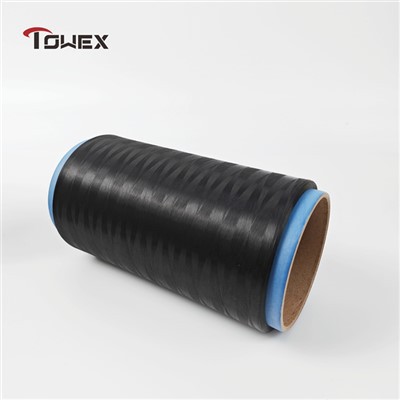
So if you’re ready to stop settling for fabric that’s heavy, outdated, or not up to snuff, hit me up. We can chat about your project, answer any questions you have, and get you the material you need that actually does what it’s supposed to do. Don’t waste time with companies that just sell a product—work with someone who knows the history, the science, and what it takes to make fabric that keeps people safe.
Cut Resistant Fabric References:
- Kwolek, S. L. (1990). The history of the aramid fiber Kevlar. Journal of Materials Science, 25(1), 161-173.
- National Institute of Justice. (2021). Ballistic Resistance of Body Armor: NIJ Standard-0101.06. U.S. Department of Justice.
- Davies, J. (2005). Advanced Fibers for Protective Clothing. Woodhead Publishing.
- DuPont. (2023). Kevlar: The Original Aramid Fiber. DuPont Performance Materials.
Jiaxing Towex New Materials Co., Ltd.
Jiaxing Towex New Materials Co., Ltd. is one of the most experienced bulletproof fabric manufacturers and suppliers in China, also supports customized service with low price. Please feel free to buy bulk high quality bulletproof fabric in stock here from our factory. Contact us for quotation.
Address: Building 1666, Wuzhen High-tech Zone, Tongxiang City, Zhejiang Province
E-mail: sales@towextech.com
WebSite: https://www.topuhmwpe.com/
